The post-Spiderverse boom: New developmental styles in the Hollywood computer-animated film - Part 1
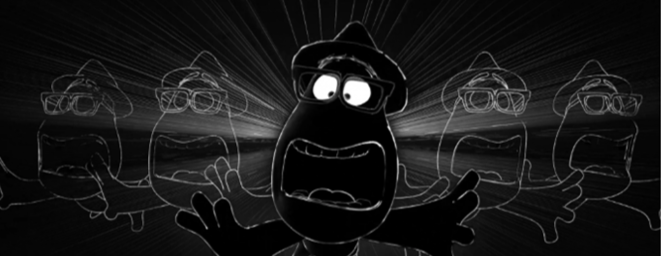
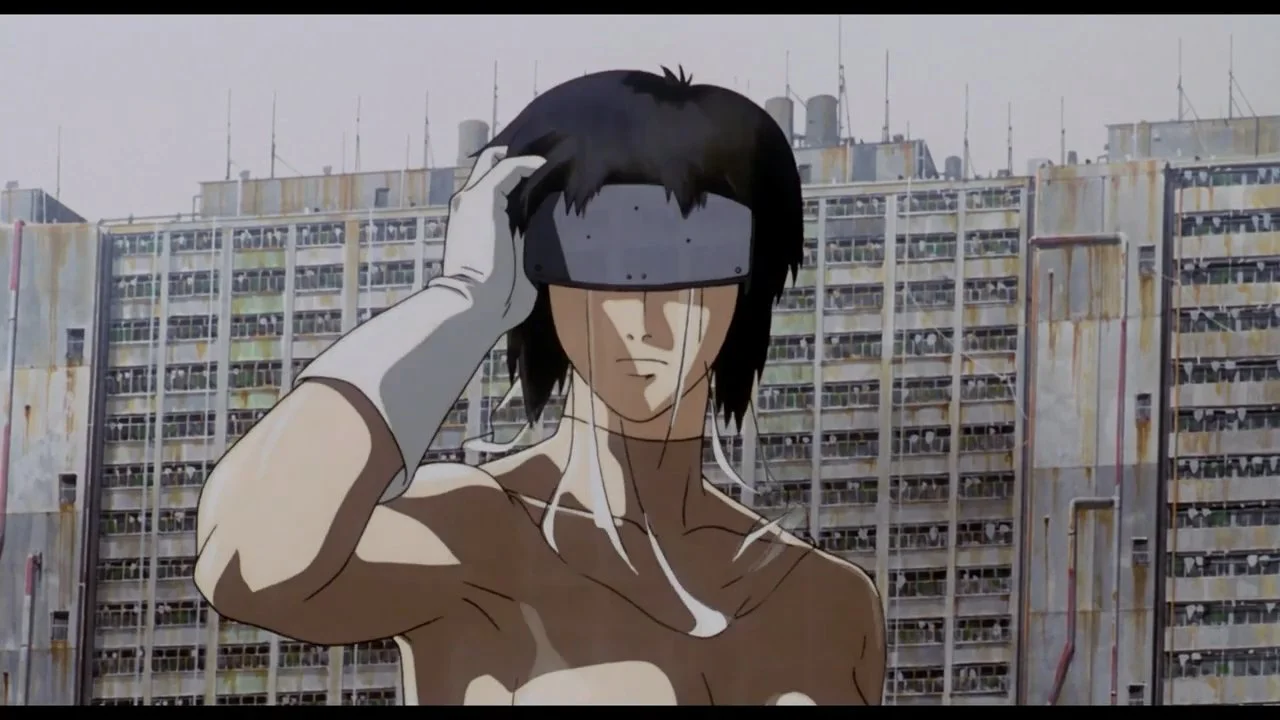
For many decades, mainstream animation has maintained a relatively uniform visual identity. Following the release of Pixar’s 1995 debut film Toy Story (John Lasseter, 1995), a dominant visual style emerged within computer-generated filmmaking, as major animation studios began to adopt a shared set of stylistic conventions, resulting in films that appeared similar (Holliday 2018, 1). However, in 2018, mainstream animation experienced a notable shift in both its aesthetic and industrial priorities following the release of Sony’s Spider-Man: Into the Spider-Verse (Bob Persichetti, Peter Ramsey & Rodney Rothman, 2018). The film achieved both critical acclaim and box office success, being widely praised for its distinct visual style and its use of animation as a medium to enhance storytelling. Traditionally, mainstream animated films have followed an orthodox form, which is a mode that, despite depicting fantastical or exaggerated events, adheres to conventional narrative structures and realist frameworks (Wells 1998, 51).
Read More
The Pokémon Cards That Gained (And Lost) the Most Value in June 2026
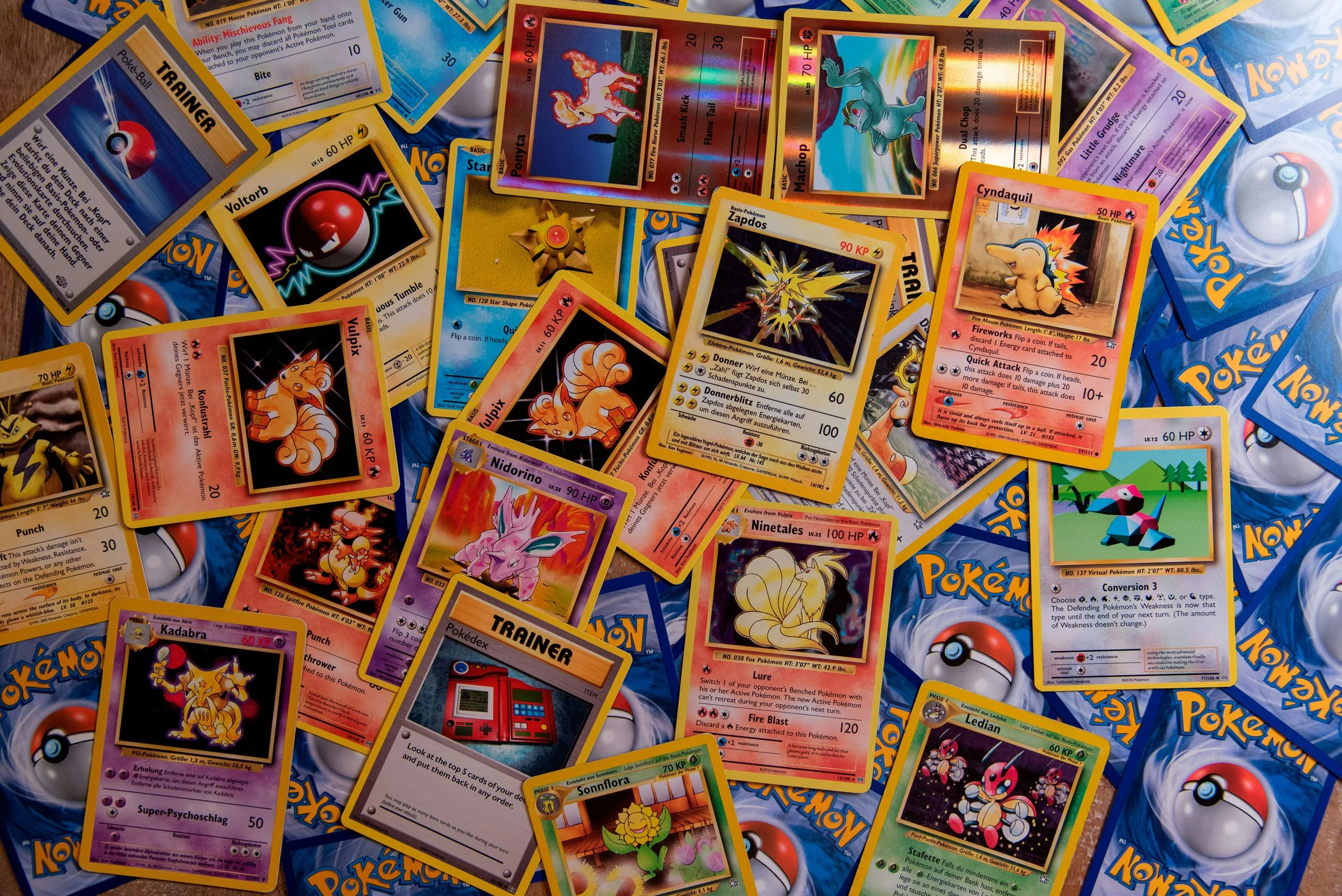
Every Pokémon fan has one card they remember before they remember its value. It might be a battered Charizard from a schoolyard trade, a ghost Pokémon that looked creepier on cardboard than on television, or a small card that stayed at the front of a binder for years at home.
Read More
What Remains
Twenty five years ago to this day, in the ancient coastal city of Genoa, anti-riot units of the Italian police mounted a night-time raid against sleeping activists. Mostly young people, some of them journalists, who were spending the night camped inside a school complex—one named, perhaps fittingly, after a victorious WW1 general. Genoa was playing host to the G8. Protesters from all over the world had gathered there, as part of a ‘social forum’, to oppose the global system of governance which those periodic, heavily-sheltered meetings of the mighty had come to symbolise.
Read More
Reflections: A Piece on Gints Zilbalodis
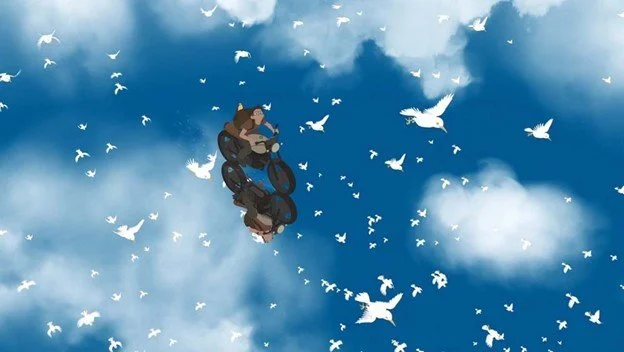
At the 2025 Academy Awards ceremony, the actress Goldie Hawn announced that the winner of the Oscar for Best Animated Film was Flow – a moment where global audience members discovered the film’s creator and director, the Latvian animator Gints Zilbalodis. Yet another previous feature of his awaits such attention. The 2019 film Away, Zilbalodis’ the director’s debut feature, laid the foundation upon which Flow is built.
Read More
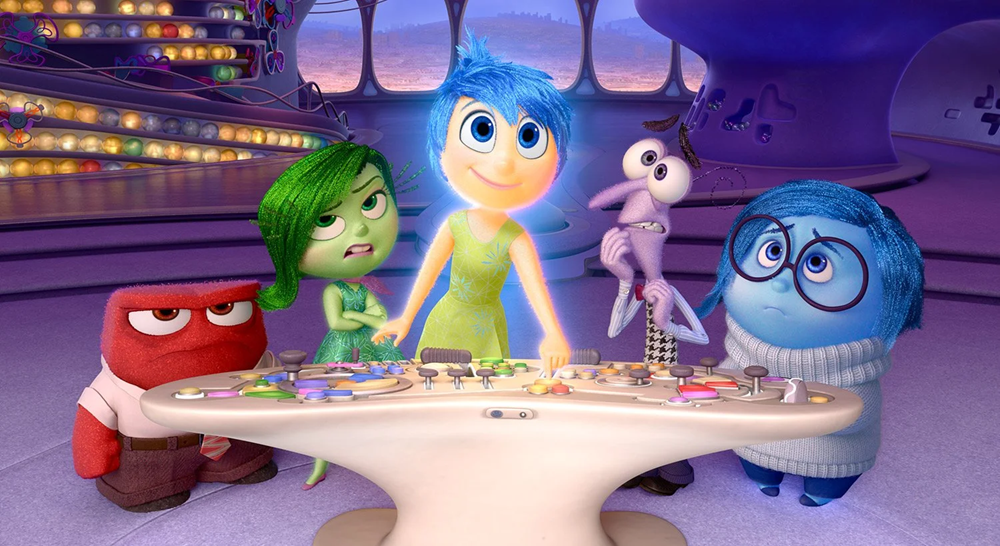
Characterization of Animated Characters in Inside Out (Pete Doctor, 2015) based on Michael Chekov’s Psychophysical Method.
When we watch a movie, what exactly do we feel? The answer to this question is different from person to person. It is very obvious to someone who has studied sociology to analyse the movie using their own thoughts and embodied knowledge. Similarly, as a student in the Department of Theatre and Performance Studies, when I watch a movie, I always try to interpret it through a theatrical lens and to understand the method followed by the characters. Animated movies are no exception in this case.
Read More
How to Write a Movie Review (A Step-by-Step Guide)
Most movie reviews are just a plot summary wearing a star rating. They walk you through the whole story, then end with “it was good” or “it was boring.” That is a recap, not a review. Nobody needs you to retell the film. They can watch it themselves. What they want to know is whether it is worth their time and why. Learning how to write a movie review is really about learning to make that case clearly. It follows a repeatable process, whether you are posting on a blog, turning in a school assignment, or building your own site.
Read More
"I remember when that was a drawing." A Conversation with Concept Artist John Bell.
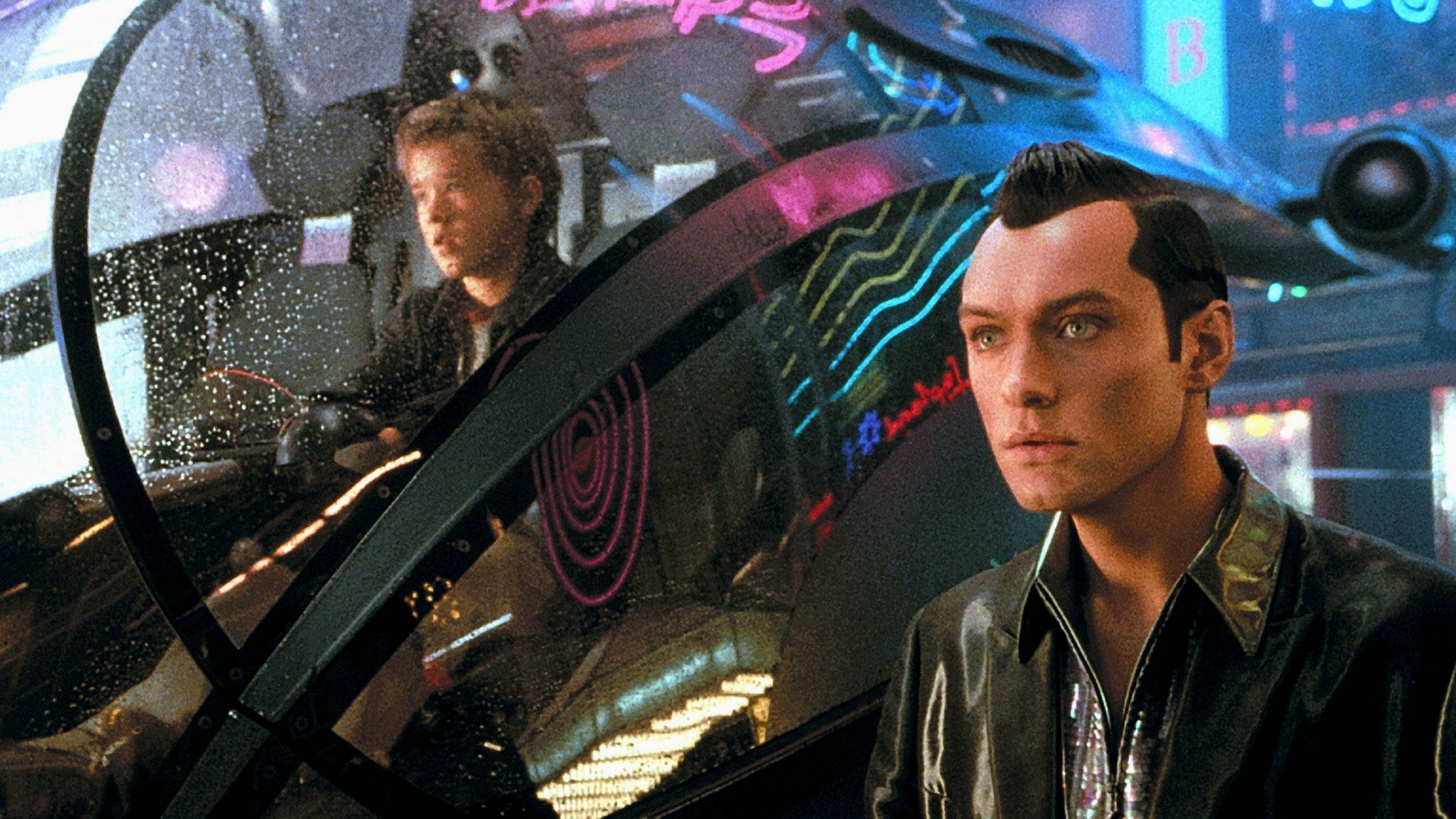
June 2026 marks the 25th anniversary of the film AI: Artificial Intelligence, written and directed by Steven Spielberg. This month also sees the release of the latest Steven Spielberg science fiction film, Disclosure Day. For Fantasy/Animation, writer James Clarke (@jameswriter72) speaks with concept artist John Bell about his memories of working on AI: Artificial Intelligence and also on Jurassic Park (Steven Spielberg, 1993) and Back to the Future Part II (Robert Zemeckis, 1989).
Read More
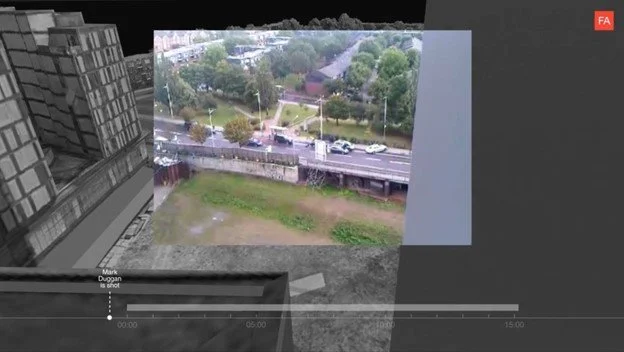
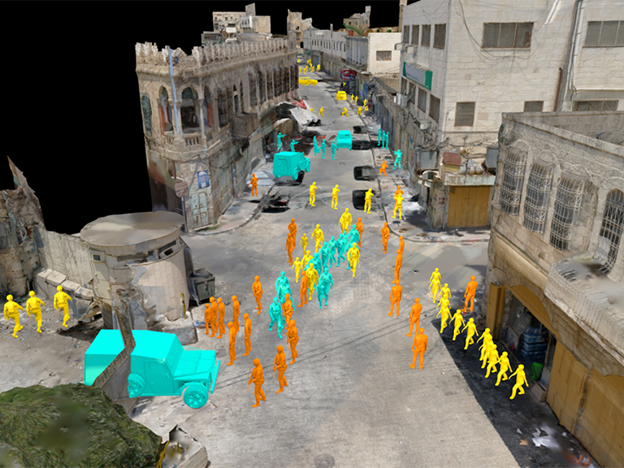
Digital Vérité, Part 2: Forensic Architecture and Animating the Killing of Mark Duggan
In Part 1, I introduced Digital Vérité — a framing of documentary image-making practices that assert their truth claims specifically through the use and application of digital tools. I argued that this rhymes with cinema vérité's earlier technological truth claim, and that the same scepticism should be attached to it. This second part works through that scepticism via a case study.
Read More
Digital Vérité, Part 1: What the Future of Documentary's Truth Claims Looks Like
In 1960, a small film crew followed John F. Kennedy through hotel corridors and union halls during the Wisconsin Democratic primary. Primary (1960) might not appear to be pushing technological boundaries to modern viewers but, at the time, its apparatus of handheld cameras, synchronised sound, and, crucially, minimal narration over intimate scenes was a small revolution. The filmmakers (Robert Drew, Richard Leacock, D.A. Pennebaker, Albert Maysles) took advantage of these advancements to claim that what their cameras could now do bordered on the metaphysical. They could "be part of the woodwork." They could capture reality "as it really happens."
Read More
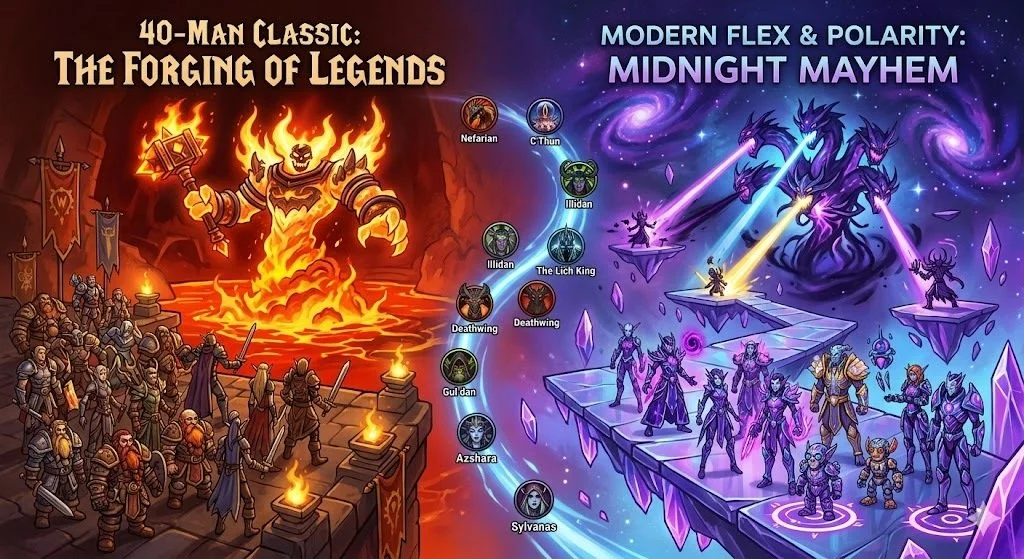
Raid Renaissance: WoW's Epic Encounters Leading to Midnight Mayhem
Hey raiders, if you've ever chased that perfect pull or celebrated a world-first kill, you know raids are World of Warcraft's ultimate proving ground. These huge PvE fights have been endgame since the very beginning, with a combination of lore, strategy, and pure grit that have made the nights to be memorable. Whether you are a veteran of vanilla or a fresh recruit to the newest tier, one thing stays the same: raid nights are where strangers become guildmates, and guildmates become something closer. We will begin with how they have influenced WoW in the last twenty years, and then highlight the new Season 1 lineup of Midnight, with Void shadows and Light colliding in a manner that will redefine the grind. Buckle up; now it is time to unpuzzle the past and ready the future.
Read More
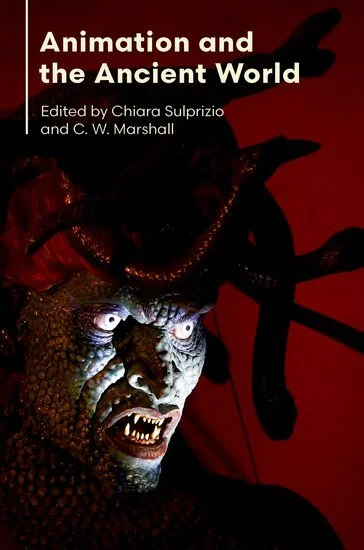
Animation and the Ancient World
I am pleased and proud to announce the publication this month of Animation and the Ancient World, a collection of sixteen essays edited by myself and C.W. Marshall and published by Oxford University Press. This volume surveys how the myths, histories, and philosophies of ancient Greece and Rome have been remixed and revitalized in all sorts of wonderful ways by modern-day animators. At first glance, it may seem surprising that there is a whole volume to fill on this topic. We are all familiar with Disney’s Hercules (Ron Clements & John Musker, 1997), and some of us who are anime fans are likely aware of the mythological themes that underlie Sailor Moon (Naoko Takeuchi, 1992-) or the adventures of the time-traveling Roman bath architect in Thermae Romae (Mari Yamazaki, 2024-) but beyond that how much is there to discuss? As it turns out there is an abundance of animated material from all over the globe that takes its direct inspiration from classical antiquity, or draws on themes, images, and narratives that were originally developed by ancient authors and artists.
Read More
The Mermaid of Venice
Cristina Kovacs is a passionate creator of digital art with a focus on character design and visual development. Her dream is to make a difference by connecting and inspiring people of all walks of life through creativity and zeal in the field of animation. Her senior capstone, The Mermaid of Venice, is a visual development pitch deck for a proposed 5-7 animated short film. Its story begins in 17th century Venice, when masquerade balls are at the height of their historical popularity—and humans are not the only guests in attendance.
Read More
From Page to Screen: How Fantasy Stories Evolve into Animated Worlds
A book sits quietly on a shelf. Then, years later, it breathes fire on a cinema screen. This transformation — from static words to vivid animation — is one of the most complex creative journeys in modern entertainment. It is not simply a copy-paste process. Everything changes: pace, tone, visual language, even the emotional core of the story itself. Fantasy, above all genres, demands the most from animators. Why? Because fantasy worlds exist only in the reader's imagination until someone decides to build them for real.
Read More
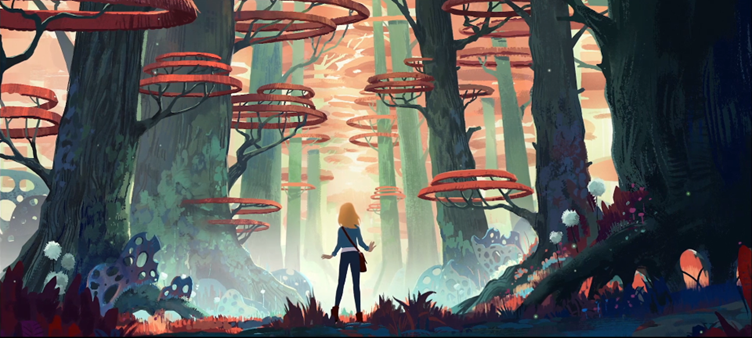
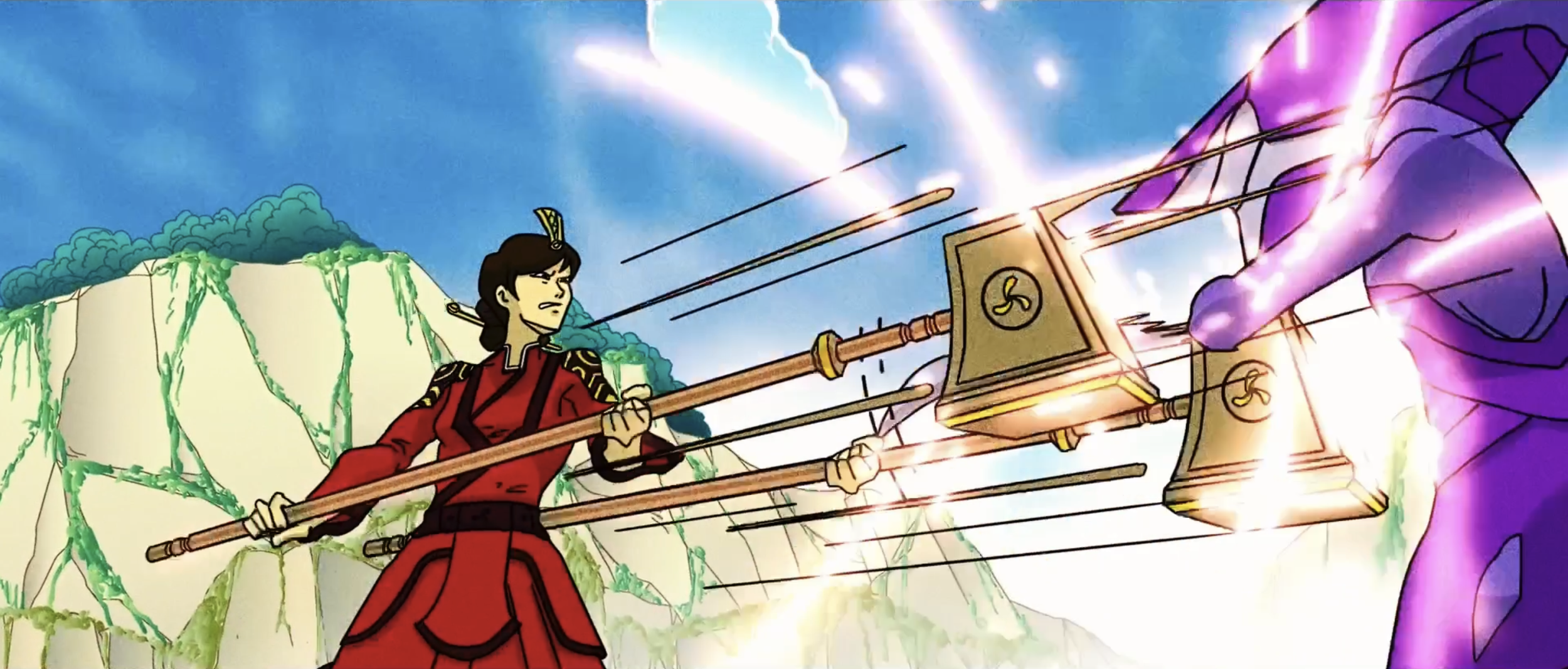
Building the Korean Fantasy Epic I Wished I Had Growing Up
As a young artist growing up in NYC in the 1990s and early 2000s, anime and sci-fi/fantasy were my life. Robotech/Macross, Rurouni Kenshin, Gundam, Star Wars, Crouching Tiger Hidden Dragon. These adventures (and many more like them) spirited me away from reality. Yet at the same time, these stories also helped me understand reality too as they featured gripping characters who often carried the fate of the entire cosmos on their backs.
But it dawned on me pretty quickly as a Korean American that there was a gap in the types of stories I was consuming. The Chinese had their fantasy epics which blew my mind with their scale and heroism. The Japanese had incredible anime and samurai stories. And of course the Western world gave us space operas and superheroes. My own homeland Korea though? I couldn’t point to any large-scale epic adventure that had its origin in Korean culture.
Read More
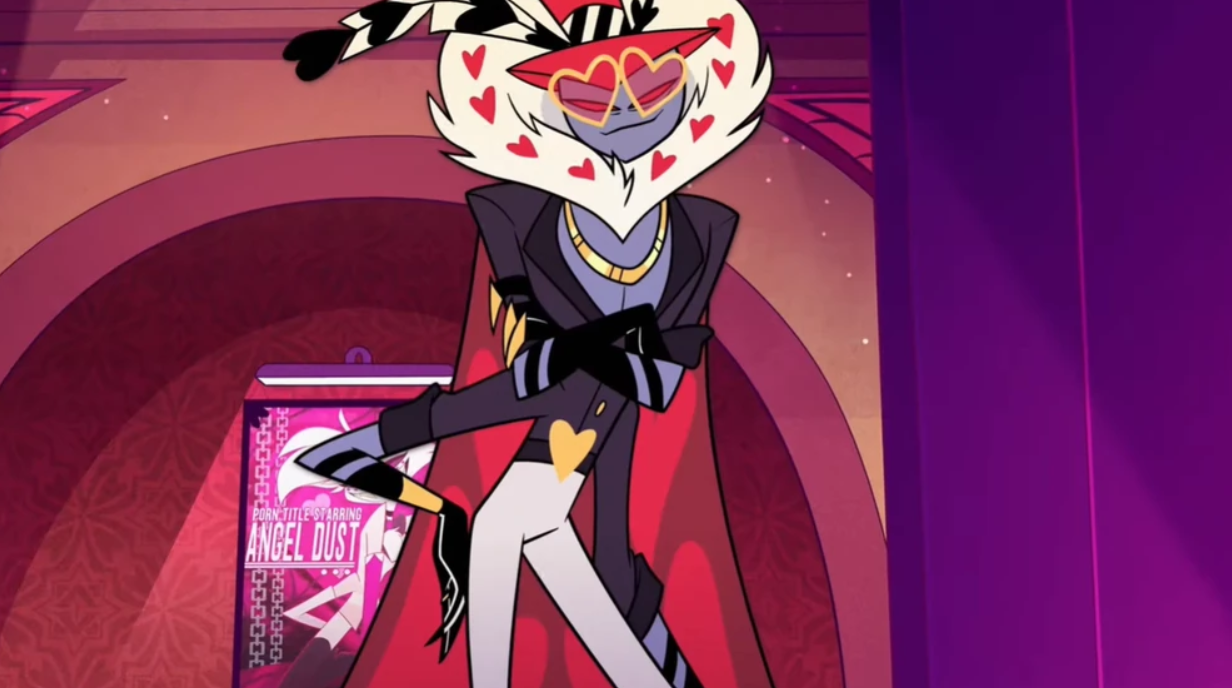
Hazbin Hotel: The Villain is in the Details, and the Threshold Between Fantasy and Reality
Thinking about Clarence Boddicker’s glasses from the film RoboCop (Paul Verhoeven, 1987) while sitting on the bench outside of the library at around quarter past two in the afternoon, Sebastian sits next to me.
I ask the following: “If Hazbin Hotel became novelised, each book dedicated to a character, when it hits Valentino, who would you want to write him?’”
“George Saunders. He’d get into his head.”
Sebastian’s answer rang a fresh thought across my mind that lingered in my brain for a while until, feverishly, I started noting the bones of this down.
Read More
Why Animation Is the Perfect Medium to Explore Simulacra
The line between authentic and synthetic has become as thin as it can get, whether by choice or because of the way the world is today. When we look into it deeper, we can see the similarities with Jean Baudrillard's “simulacrum,” a copy without an original, where the representation of something becomes more real than the actual object itself. Animation is an ideal way to explore the concept of “simulacrum” and how it translates into our reality.
Read More
The Animation in the Cauldron: Asterix's Magic Potion on Screen
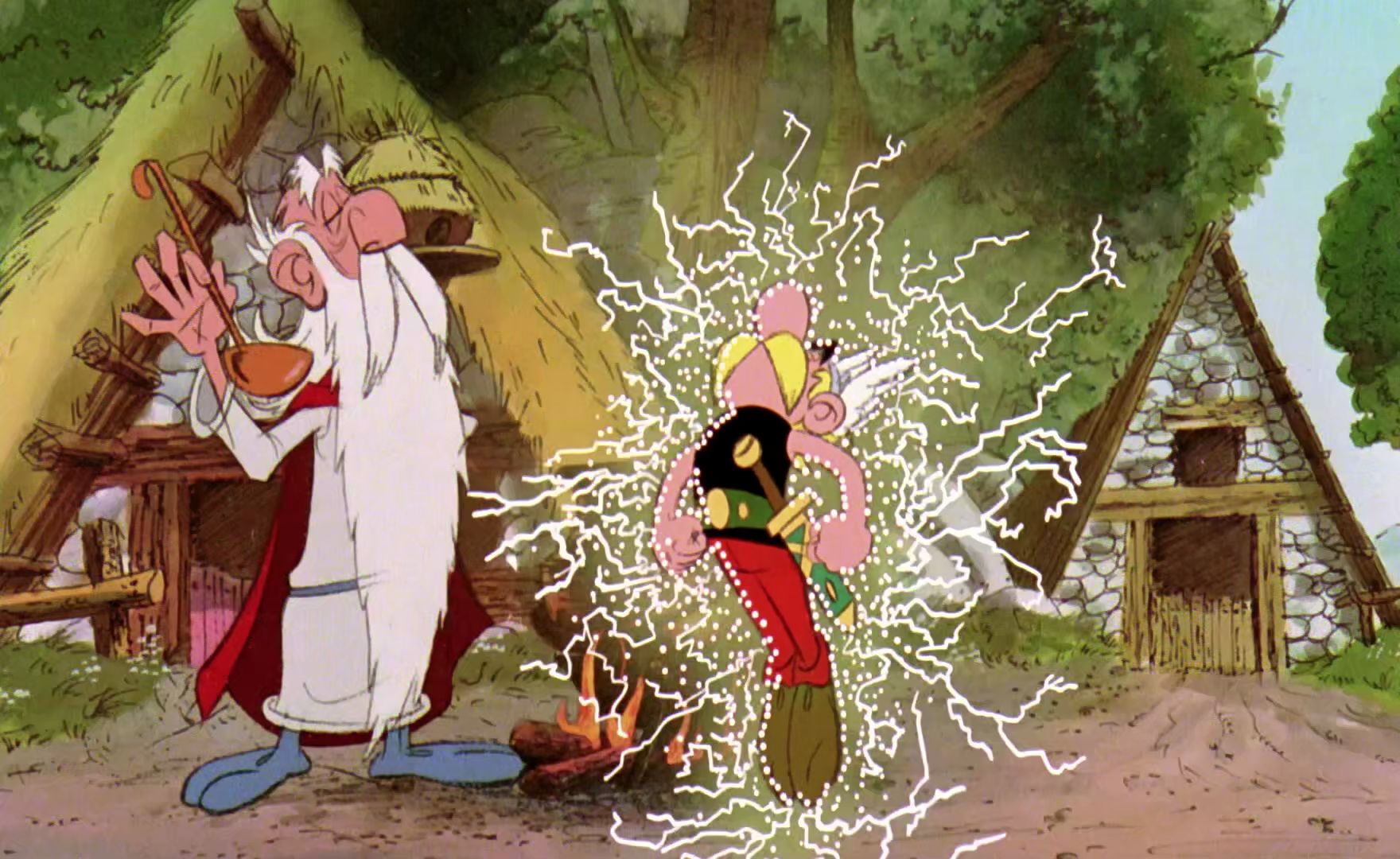
A history of animation aesthetics could be written simply by watching a Gaul drink the potion of Getafix the druid, in that famous quarrelsome village nonchalantly defended from Roman conquest by Asterix and Obelix, the indomitable duo born from the imagination of René Goscinny and Albert Uderzo in 1959. In the recent Netflix television series Asterix and Obelix: The Big Fight (2025), Asterix, having downed a sip of the magic brew, soars into the air and begins to change colour, transforming into cyan, magenta, and then yellow; the three colours of print.
Read More
The Hidden Critique of Capitalism Inside Cyberpunk: Edgerunners (Hiroyuki Imaishi, 2022–)
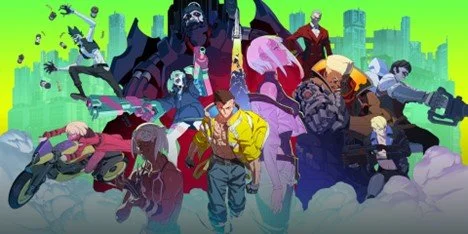
When Cyberpunk: Edgerunners (Hiroyuki Imaishi, 2022–) was released, it quickly gained attention for its intense action, emotional storytelling, and striking visual style. Set in the same universe as Cyberpunk 2077, the series dives into the chaotic world of Night City—a place where technology is advanced, but human life often feels disposable. At first glance, it looks like a fast-paced sci-fi story about crime and survival. But beneath that surface, Edgerunners offers something more subtle. It presents a sharp critique of capitalism, one that is built directly into its world, characters, and visual language.
Read More
To the End of the World: The Haunted Architecture of Desire & The Triangulation of Longing - Part 2
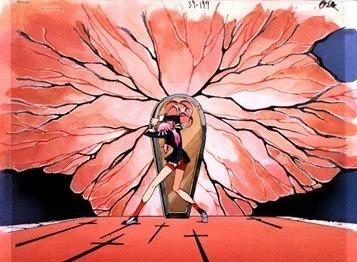
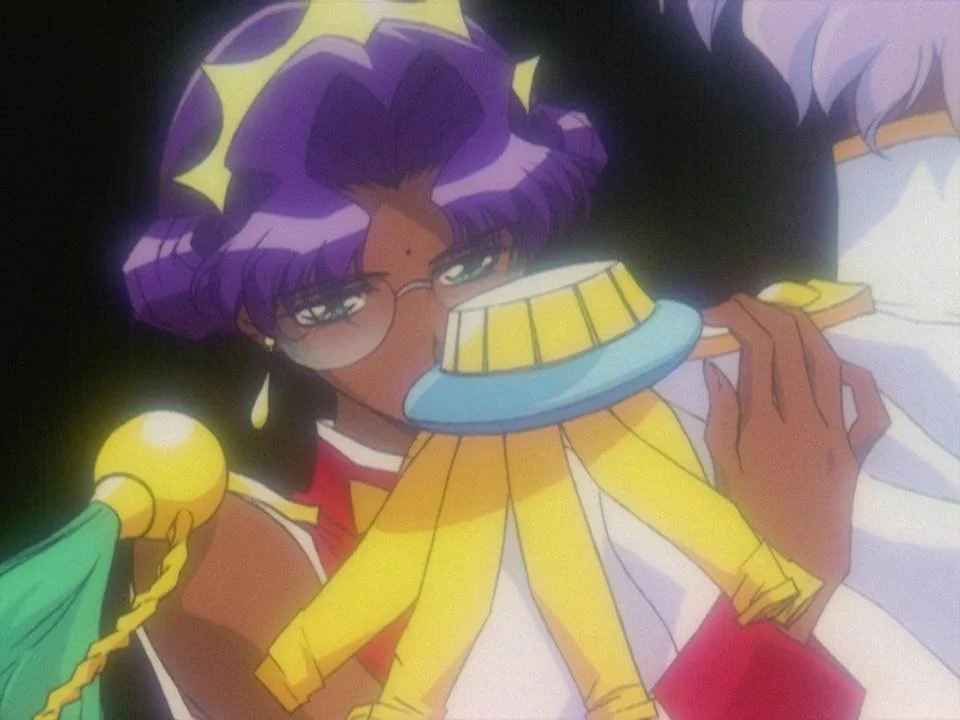
As discussed in Part 1, Shiori’s locket in the Japanese anime series Revolutionary Girl Utena (Kunihiko Ikuhara, 1997) begins as a sealed object that preserves an image and holds desire in place. Once opened, it is no longer an object or vessel made to sustain the appearance of stillness and the stable fantasy that it contains. In this second blog post, I will place the “Black Rose Saga” in dialogue with Krzysztof Kieślowski’s Three Colours: Blue (1993), drawing on the work of Slavoj Žižek to think through fetish, fantasy, and the strange space “between two deaths.”
Read More
To the End of the World: The Haunted Architecture of Desire & The Triangulation of Longing - Part 1
Revolutionary Girl Utena, the Japanese anime television series that first aired in 1997, follows Tenjō Utena, a tomboyish girl who dreams of becoming a prince and knight in shining armour. Upon entering the fantastical and highly hierarchical Ohtori Academy, Utena soon entangles herself in the ritualised duels of the Student Council, fighting for the mysterious Rose Bride, Himemiya Anthy, a figure objectified by those who compete for her hand. The series has a particular cyclical structure, with each episode lasting less than 30 minutes and structured into three narrative sections—episodes 1 to 13 form the “Student Council Saga”, episodes 14 to 23 comprise the “Black Rose Saga”, and episodes 24 to 39 conclude with the “Apocalypse Saga”. The structural arrangements highlight the series’ heightened theatricality, resulting in a tightly choreographed work with a recursive and self-reflexive mode of storytelling. As the series unfolds, Utena’s story spirals into a vibrant phantasmagoria with variations on themes of adolescence, trauma, desire, and revolution.
Read More