[Je]Witch: Watching Wicked through a Jewish Lens
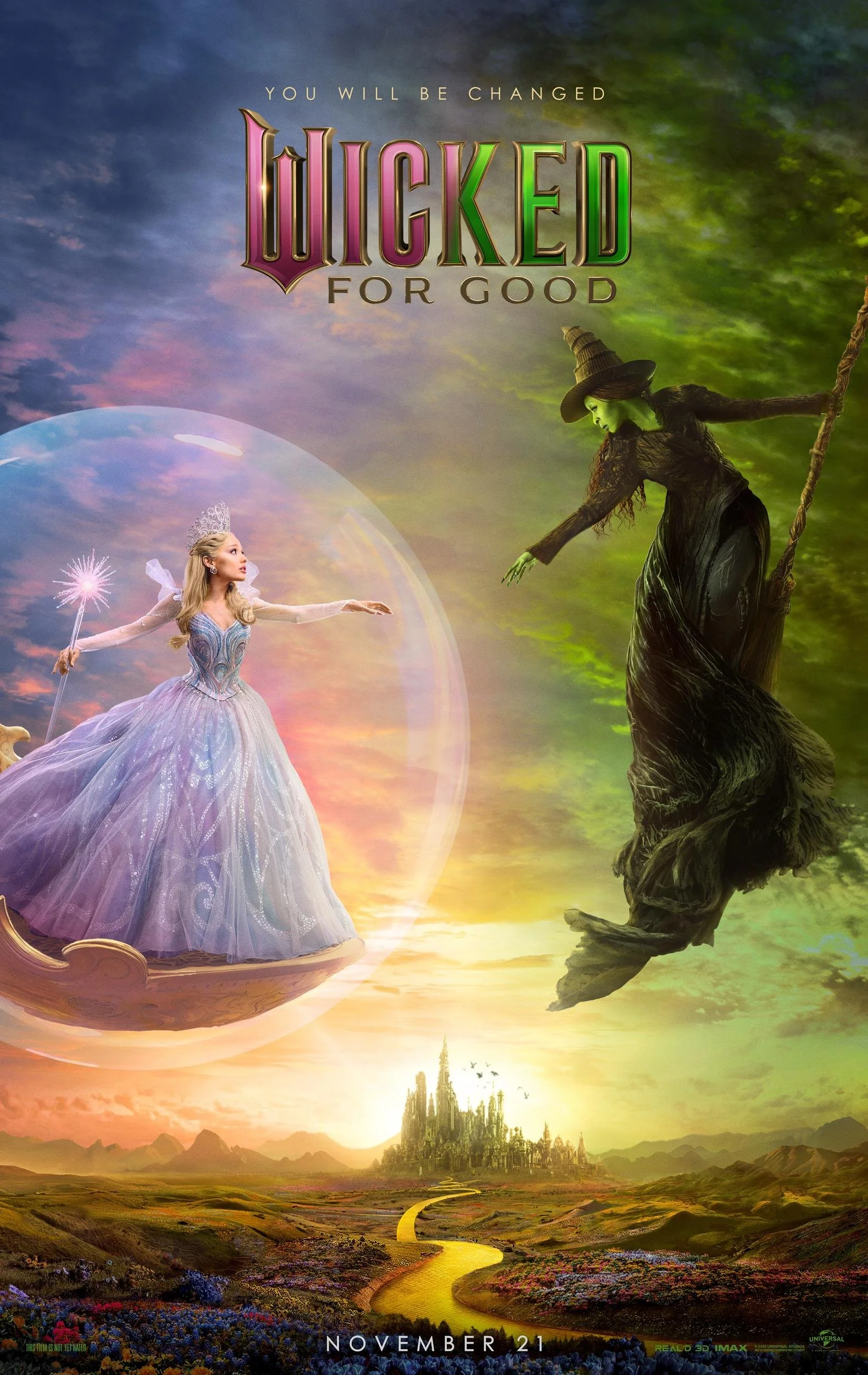
Fig. 1 - Wicked: For Good (Jon M. Chu, 2025)
As a foreign student in the U.K., grappling with my relationship with my familial and cultural history of Jewish migration, the topic of “home” comes, well… close to home. So, when watching the recent filmic adaptation of the stage musical Wicked (Stephen Schwartz & Winnie Holzman, 2003-), Wicked: For Good (Jon M. Chu, 2025) (Fig. 1), and listening to Elphaba’s new song, “No Place Like Home,” I couldn’t help but put on my Jewish-witch-hat. In the scene, the Wicked Witch of the West, Elphaba, meets a group of talking Animals fleeing persecution by the fascist Ozian regime and tries to encourage them to stay and fight for their “home” rather than run away. While many have noted the significance of this addition, specifically in light of the current political climate in the U.S., I couldn’t help but think to myself – aren’t there times when it is better to just leave? May a “home” no longer be yours? And what happens when a story that in my mind has always been read as Jewish-coded is being adapted to reflect on other marginalised identities, shifting the focus from critiquing historical regimes to present ones?
I’m not the first to note the connection between Jews and witches in general, and the Wicked Witch of the West in particular. Iconographically, stereotypical traits such as pointed hats, hooked noses, and dark hair were interchangeably associated with both Jews and witches (Lipton 2014, 369). On a narrative level, both are represented as wishing to harm innocent (Christian) children, especially in ritualistic, murderous settings that recall the antisemitic trope of “Blood libel” (Owens 2014, 57). While historically this association between Jews and witches tended to be negative, Jewish feminists have embraced this connection: “Much like Jewish feminists confronting patriarchal structures within their own communities and beyond, the Wicked Witch stands as a symbol of nonconformity and resistance – hair and all” (Bailey 2025, 64). This leads us nicely to our specific witch – The Wizard of Oz’s Wicked Witch of the West.
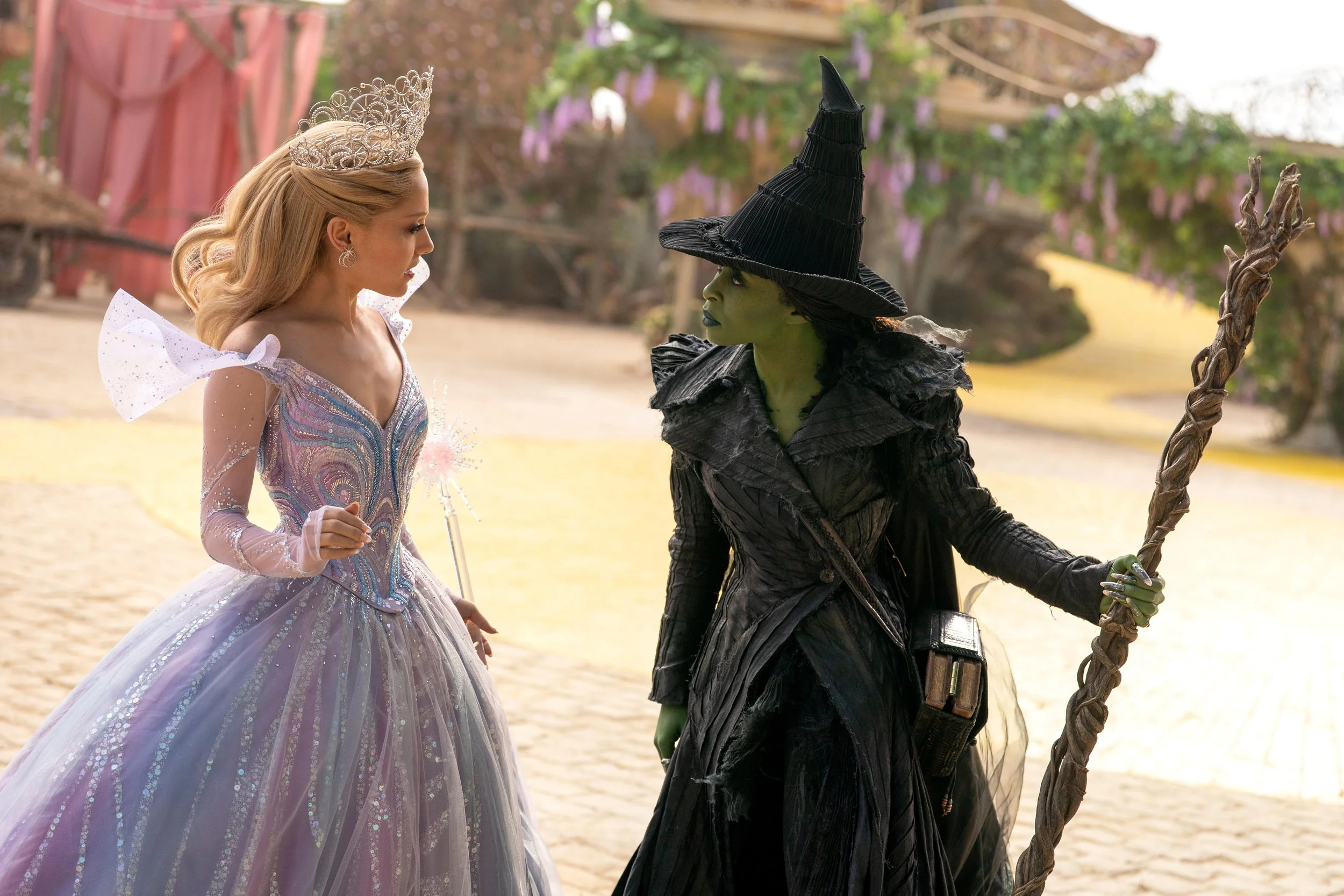
Fig. 2 - Glinda (Ariana Grande) and Elphaba (Cynthia Erivo), who is becomes the Wicked Witch of the West in Wicked: For Good.
The Wicked Witch of the West is mentioned just briefly in L. Frank Baum’s 1900 book, The Wonderful Wizard of Oz, and she is only described as having one eye. Still, in W. W. Denslow’s accompanying illustration, she is already depicted as having the stereotypical nose and hat of a witch. Probably the most iconic version of the Wicked Witch of the West is the one from Victor Fleming’s 1939 film The Wizard of Oz, played by Margaret Hamilton. Again, she has the hooked nose and the witch hat. Additionally, this is when she became green, a trait that is central to later versions of the character, including Wicked. The film is also where the character’s association with Jewishness started to grow. As Lona Bailey describes:
The Wicked Witch, often viewed as a symbol of rebellion or defiance, could be seen as embodying the Jewish people who refused to conform to the fascist ideologies rising in Europe. In a time when Jews were systematically marginalized and oppressed, their very existence represented a challenge to the purity and homogeneity that totalitarian regimes sought to impose.
This association of the character with the “marginalized and oppressed” led to her reclaiming as a feminist and anti-fascist icon, as can be seen in the various versions of Wicked.
While there are some significant differences between Gregory Maguire’s book Wicked: The Life and Times of the Wicked Witch of the West (1995) and the later stage and film adaptations of the story, themes of marginalisation and the dangers of fascism are prominent in all versions. They all share the same premise: retelling of the story from the Wicked Witch’s perspective. The originally benevolent charlatan Wizard of Oz is turned in Wicked into a fascist dictator, ruling Oz by scapegoating (pun intended) the land’s talking Animal citizens. All versions of Wicked reference historical fascist regimes, and specifically the Third Reich. The Wizard rules by a combination of force (including a secret police named the Gale Force) and propaganda. Like Jews (and other minorities) under Nazi Germany, the Animals in Oz are denigrated into second-class citizens and are under constant surveillance and policing. They are barred from holding specific positions, such as teaching at a university, and are often locked up or disappear if they step out of line. Due to her green skin, Elphaba empathises with the Animals and begins fighting for their cause. Thus, while not an Animal herself, she becomes associated with the plight of a marginalised and persecuted minority.
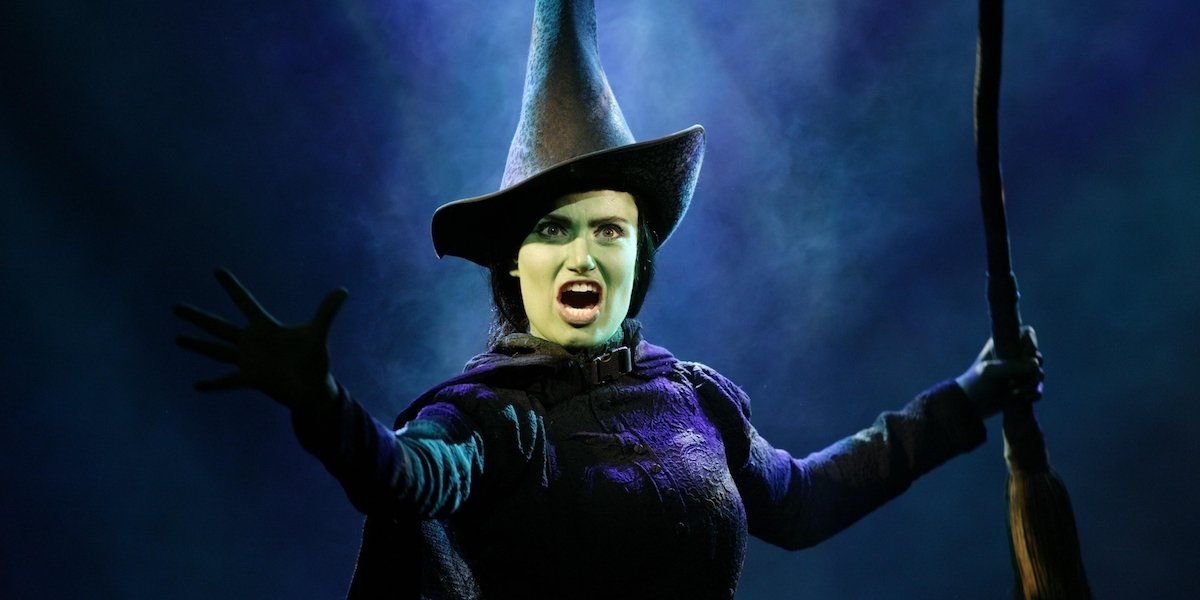
Fig. 3 - Idina Menzel as Elphaba in the Wicked stage musical.
The stage and film musicals add further layers to this Jewish reading of the story. The musical’s composer and lyricist, Stephen Schwartz (who is Jewish), has noted in an interview that when he started thinking of adapting the story for the stage, he understood it as a metaphor for Nazi Germany (Houpt 2005). The choice of casting Idina Menzel, a Jewish actress, to originate the role of Elphaba on Broadway, while not necessarily an indication of the character’s Jewish identity, may still increase the association (Fig. 3). Splitting the musical into two films allowed the team to dive deeper into the political allegory. Two scenes are particularly noteworthy with respect to the Nazi metaphor: in one, Nessarose, Elphaba’s sister, and the ruler of Munchkinland, is asked to sign a Nuremberg-like law, depriving Animal citizens of their rights; in another, the Wizard is seen bouncing the moon, reminding us of Charlie Chaplin’s iconic parody of Adolf Hitler in The Great Dictator (1940).
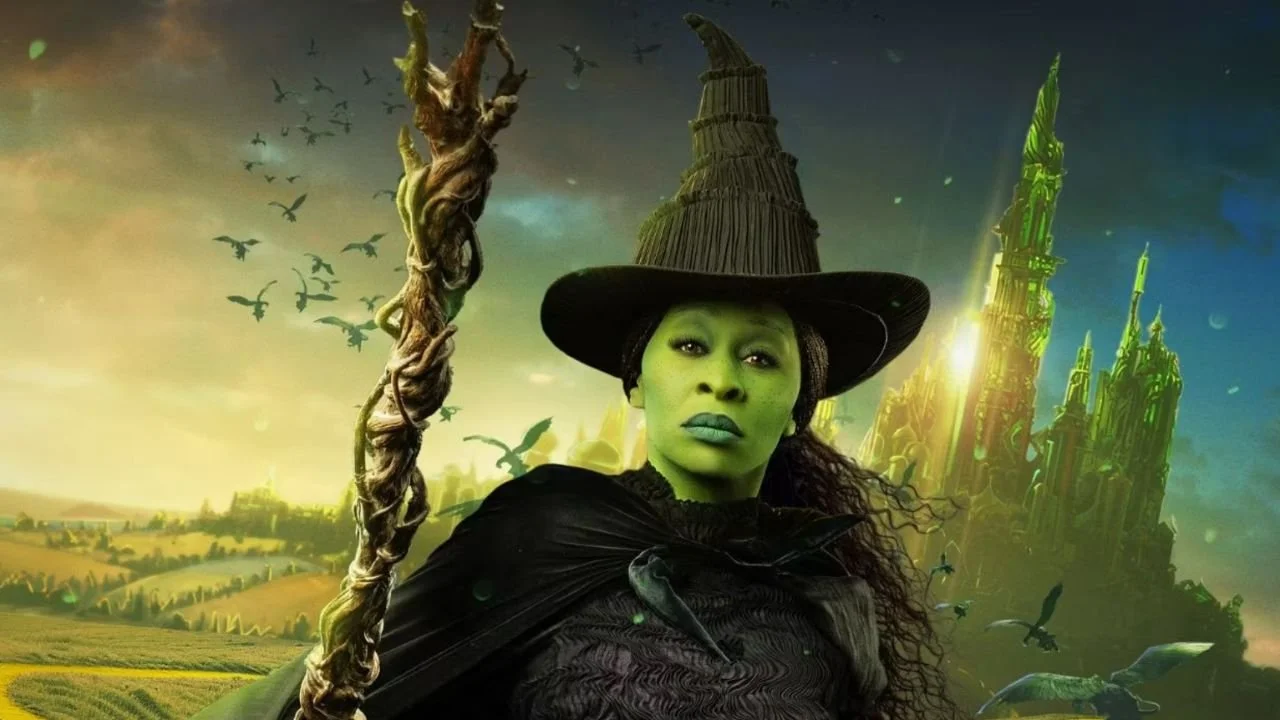
Fig. 4 - Erivo as Elphaba.
This finally leads us back to the new song – “No Place Like Home.” While the film clearly maintains the historical allegory, it also updates the story and addresses current social and political themes. Casting the magnificent Cynthia Erivo to play Elphaba (Fig. 4), with the subtextual knowledge of her black and queer identities, specifically in today’s post Black Lives Matter and Trump re-election world, infuses the film with new political meanings. The fleeing Animals Elphaba sings to are imbued with our knowledge of ICE raids and anti-trans legislation. When Elphaba sings “When you want to leave / Discouraged and resigned / That's what they want you to do / But think how you will grieve / For all you leave behind / Oz belongs to you too,” she is clearly not singing to my Jewish grandparents, who should have left Poland when they still could. Yet, I cannot avoid the connotation to both Poland in the 1930s and Israel today. I wish I could so openly sing about staying and fighting against growing fascist tendencies in my homeland. But it was never exclusively my home, and my people’s claim for it has uprooted so many others of theirs. Surprisingly, Elphaba ends up leaving Oz at the end, letting Glinda fix the problems she never could. Can there be a magical Good Witch to help my homeland, too?
**Article published: January 9, 2026**
References
Bailey, Lona. 2025. Wicked Witch of the West: The Enduring Legacy of a Feminist Icon. London: Bloomsbury.
Houpt, Simon. 2005. ‘Wicked Composer Is Bitter But Better’, The Globe and Mail, 12 March 2005, https://www.theglobeandmail.com/arts/wicked-composer-is-bitter-but-better/article977310/.
Lipton, Sara. 2014. Dark Mirror: The Medieval Origins of Anti-Jewish Iconography. New York: Metropolitan Books/Henry Holt and Company.
Owens, Yvonne. 2014. “The Saturnine History of Jews and Witches.” Preternature: Critical and Historical Studies on the Preternatural 3, no. 1: 57: 56-84.
Biography
Dana Green is a PhD candidate in Film Studies at King’s College London, where she explores the Israeli reception of Disney. She graduated Summa Cum Laude with her master’s at the Steve Tisch School of Film and Television at Tel Aviv University.