We are dedicated to the study of the rich legacy and complexity of animated fantasy media, in whatever form it might take.
Fantasy/Animation is an online educational resource examining the relationship between fantasy storytelling and the medium of animation. The website provides a space for discussion and debate among academics, practitioners, special interest groups, and fans of fantasy and/or animation.
Help us improve our website! Take this short survey to help us better your experience.






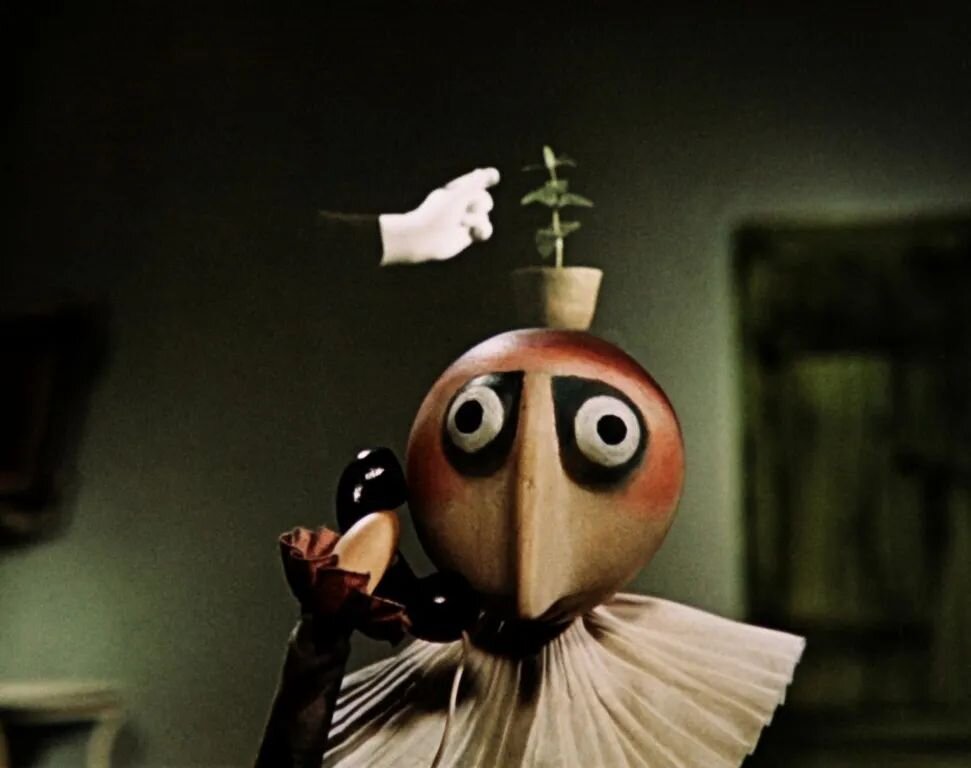
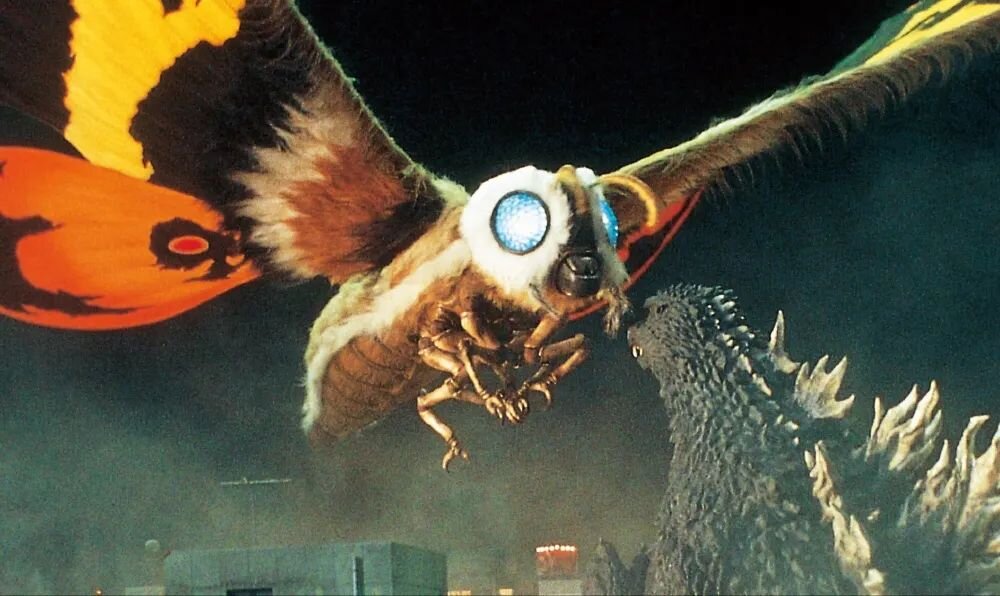


Attending the 2026 Ottawa International Animation Festival (OAIF) felt, at times, like witnessing two different futures of animation being discussed simultaneously. In the festival screenings, opening (and closing) ceremony remarks, conversations between filmmakers, and reactions from audiences, the integration of Generative AI in animation was described as a threat to the medium's future: an antagonist to the values of artistic labour that have historically defined it. Yet only a few streets away at The Animation Conference (TAC), OIAF’s parallel professional event, AI was discussed by studio executives and industry leaders as an unavoidable component of production pipelines.