Therapies and Rituals
Anyone who has spent some time at film festivals will be familiar with a certain tendency in non-fiction cinema: film-makers turning process into therapy, and their film itself into a document of their psychological and personal journey as they deal with unsolved family issues or the need to find identity or come to terms with loss or (rarely) happier aspects of the human condition. A number of titles come to mind even as I type: from Chantal Akerman’s No Home Movie (2015) to Marusya Syroechkovskaya’s How to Save a Dead Friend (2022) (Fig. 1). It is very much a formula, the popularity of which owes more than a little to the widely-held belief, among programmers and agents, that these films fulfil their obligation to the art-house crowds (you can’t go wrong with meta-cinema) while also basking in the broader appeal of shared human experiences. In other words, they matter. It’s the Halo of Meaningfulness, refracted directly from the film-maker/character to the viewer. I’m reminded here of a quote I read a couple of weeks ago in EDGE, about the use of GenAI in videogames: “if it didn’t matter to the creator, it won’t matter to me.”
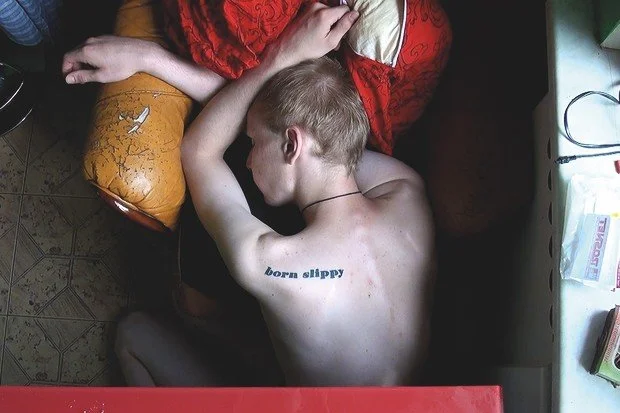
Fig. 1 - Marusya Syroechkovskaya’s How to Save a Dead Friend (2022).
While the general sentiment is one I subscribe to (let’s just ban AI already and be done with it) the simplicity of the syllogism belies a more complex reality. As many self-indulgent failures stand to prove (Costanza Quatriglio’s documentary The Secret Drawer/Il cassetto segreto [2024] comes to mind), the fact that a work of art matters to the creator does not necessarily imply it will matter to anybody else. There’s a larger problem, here, too: non-fiction film-makers spend years of their lives shooting footage and accumulating meaningful experiences with/alongside their subjects, which in turns leads them (and agents, and sometimes programmers) to see and assess the meaningfulness of their work in terms of process, rather than, well, cinema. The somewhat brutal reality is that when the formula above succeeds, it does not usually do so on the strength of a film-makers’ personal investment in the process, but rather on the significance of how they frame their filmic gesture. It is not just a matter of acknowledging the process, and thus fulfilling the basic ‘cinephilic’ obligation I alluded to earlier. It’s about linking both practice and film to the broader (historical, political, cinematographic) context in which the process finds its meaning.
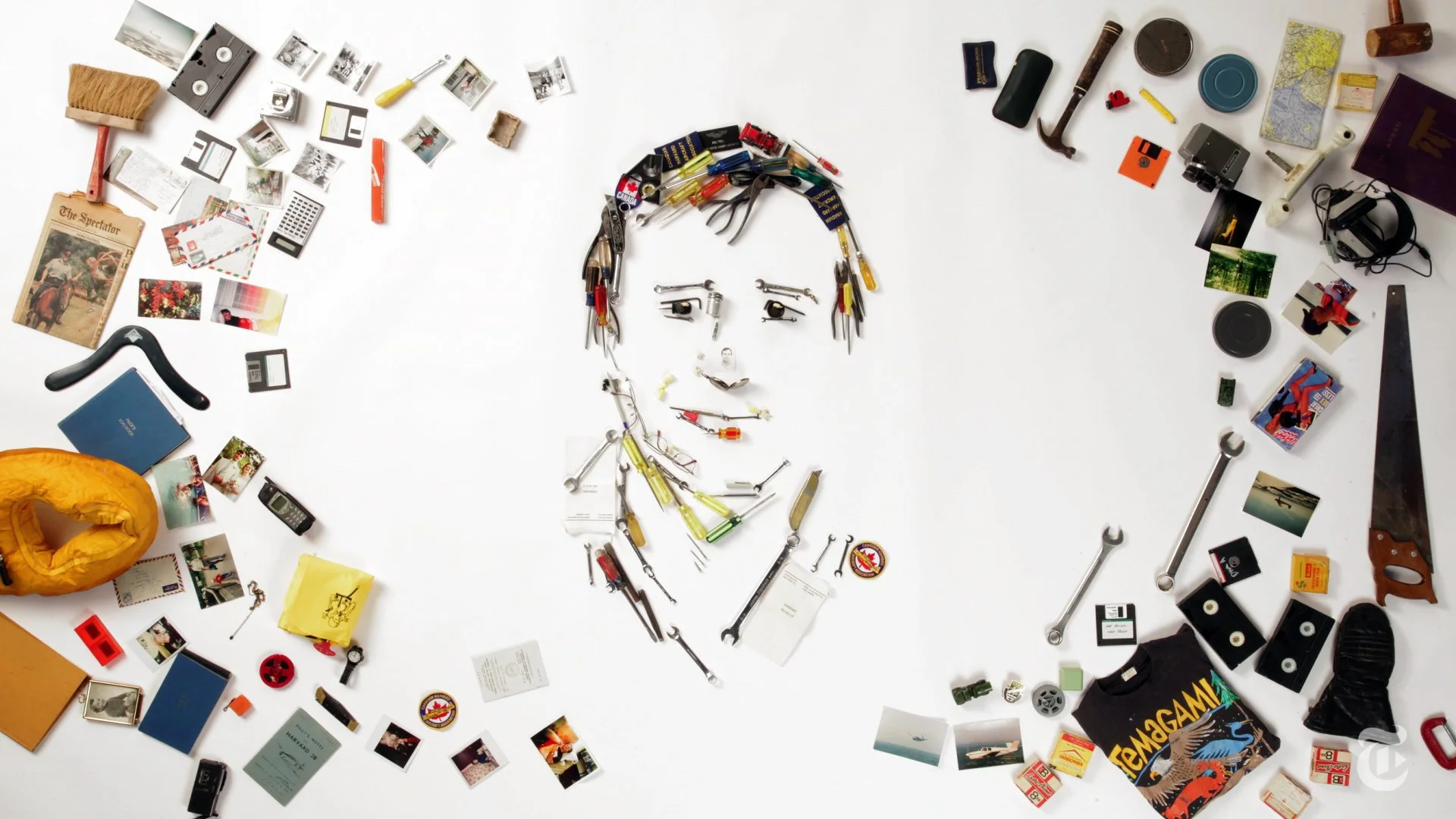
Fig. 2 - My Dead Dad’s Porno Tapes (Charlie Tyrell, 2018).
I say all this because I think it partly explains why films like Syroechkovskaya’s succeed. More than that, it gives me a chance to reflect on the role played by animation in this formula. While in no way a guarantee of success (the disappointing My Dead Dad’s Porno Tapes [Charlie Tyrell, 2018] from a few years ago is a case in point), animation does seem to lend itself particularly well to these films (Fig. 2). Indeed, I submit here that the form provides film-makers an opportunity to externalise, materialise, and ritualise the underlying structures of feelings that many of these universal therapeutic film journeys evoke.
Anna Fitch and Banker White’s Yo (Love Is a Rebellious Bird) (2026), which I saw a few weeks ago in Berlin, is a splendid example. The film, which took home the Silver Bear for ‘outstanding artistic contribution,’ intersperses video-diaristic recordings of the titular Yo (a fiercely-grounded, independently-minded woman who hates chicken and who is always marched to her own drumbeat) with eight stories: salient life memories, narrated by Yo herself but rendered by the film-makers through a variety of animation techniques. The craft is material, meticulous and just slightly surreal, spanning cut-out dioramas to sequences in which real-life stick-bugs play the part of bickering relatives at a funeral repast (Fitch is an amateur entomologist).
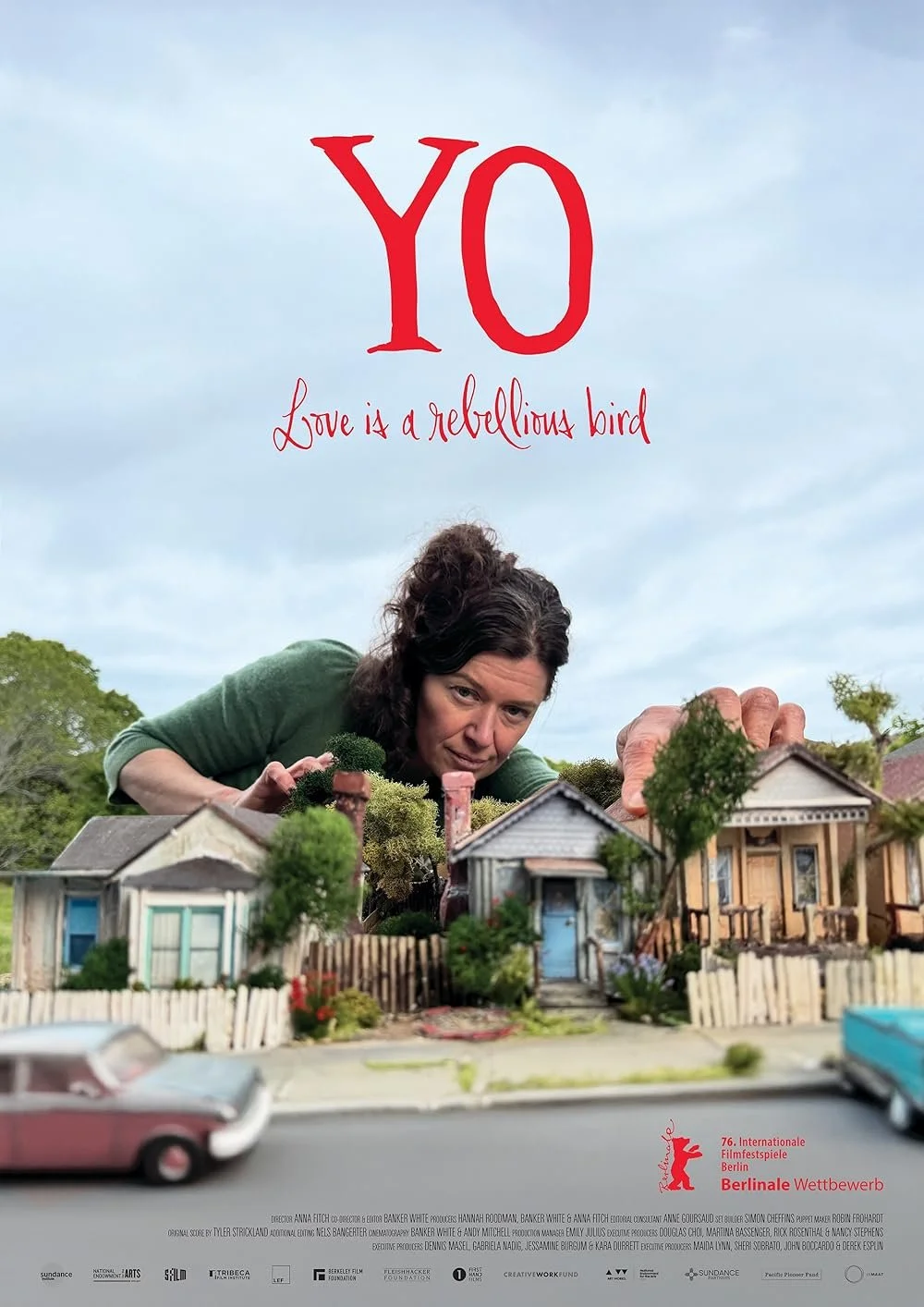
Fig. 3 - Anna Fitch and Banker White’s Yo (Love Is a Rebellious Bird) (2026).
The collage work is stunningly beautiful, but the lion’s share of the film’s meta-filmic gesture belongs to the puppets made by master puppeteer Robin Frohardt. There’s a story within a story, here: at first, a puppet-version of Yo was made to recreate some of her narrated memories. Then a bed was added, to allow the puppet to ‘rest’. Then a bedroom, to accommodate the bed. Then, bit by bit, Yo’s entire house was recreated on a 1/3 scale (Fig. 3). After Yo’s passing, Anna realises she’s not ready to let go of her friend and subject. Gradually, she starts adding new objects to the model house, objects Yo would have liked. Unfinished conversations suddenly find a new setting to continue. Slowly, the core of the film shifts, from recreating Yo’s memories to documenting Anna’s efforts to keep Yo alive, with the puppets and the model house serving as a liminal space, or better yet a bracket of suspended time-space, caught between an inaccessible past and an imagined present.
But time never really stops. Ten years later, Anna is sill working on the film, and still having daily conversations with her lost friend, carrying her puppet around and building a new domestic routine through the model house. The generational cycle continues too: Yo’s children visit the model house, while Anna’s children grow up playing inside it, talking to puppet-Yo as if she was a family member. Things start to blur. In certain shots, it’s impossible to tell whether what we see in the frame is the real house or the model house.
Then, towards the end, we hear excerpts from a letter the filmmaker has written to her friend after her death. Letters, like animation, are a form of defiance, obstinately bridging gaps with words, turning stillness and silence into meaning, movement, life. And so the film comes full circle, the full value of its gesture revealed: not so much a private processing of grief but a ritual, whereby memories are not just re-enacted but gifted. Spectators, each and all, end up acting as living conduits, guarding, and yes, animating within themselves an infinitesimal fragment of someone they’ve never met. As I left the theatre, I was happy to catch myself thinking: “Yo would have liked this movie.”
**Article published: March 13, 2026**
Biography
PM Cicchetti is a film critic, educator and scholar based between Bologna and Edinburgh. He writes for several film magazines in Italy, Switzerland and the US, including Filmidee and Filmexplorer among others, and has been lecturing at various universities in Scotland since 2012. Starting in 2018, he has been involved with the European Movie Masters programme KINOEYES.