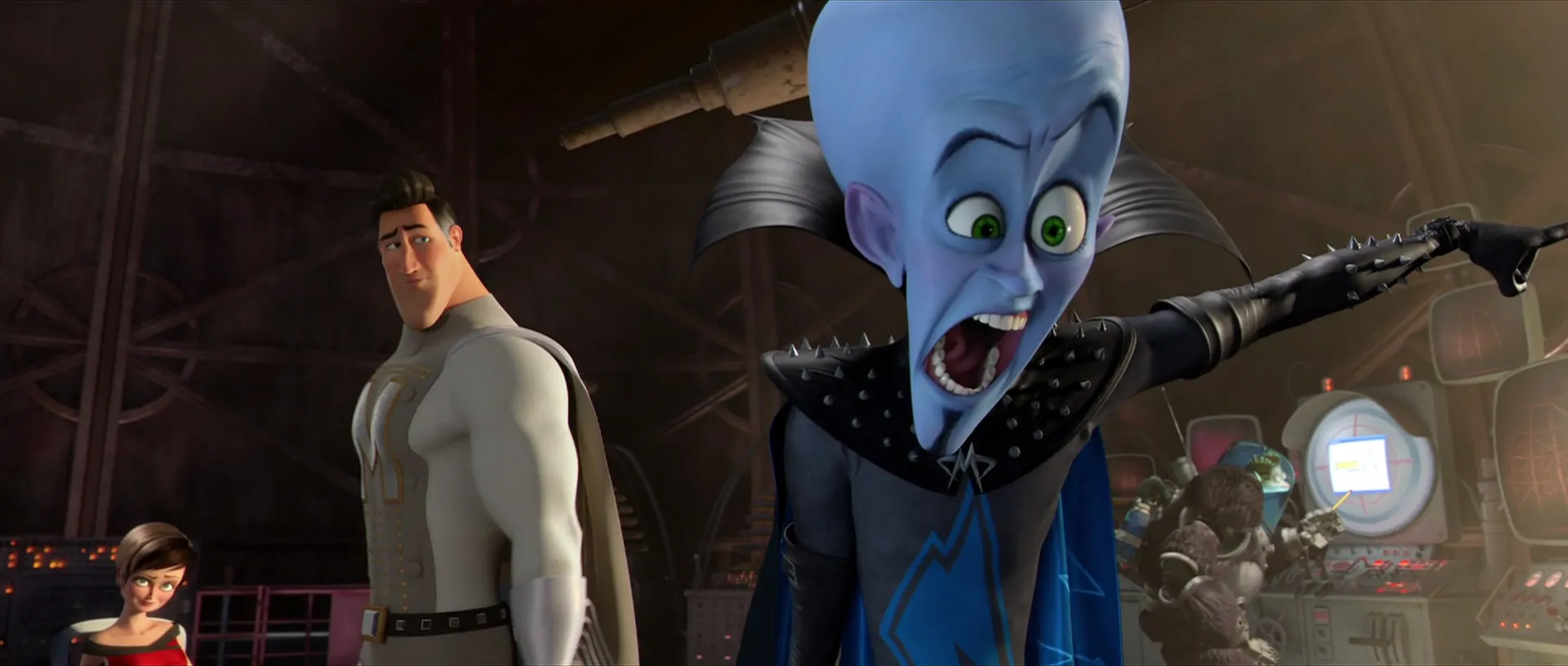
Superheroes are a staple of American culture, following the adventures of men and women in tights who use their superhuman gifts to defeat villains that terrorize their hometown. However, one question has been commonly wondered by readers and viewers alike: What happens when the hero loses and the bad guy wins? The 2010 animated film Megamind, directed by Tom McGrath, may just have the most disruptive yet meaningful answer to this hypothetical. As the titular supervillain wins a battle against Metro City’s caped saviour after decades of failed attempts, everything else about the city seems to fall apart on its own after its core narrative event has been rewritten, and DreamWorks retorts with an even deeper question: what if the bad guy was never the bad guy at all?
Read MoreIn animation and film, disability representation is crucial in shaping the portrayal and perception of characters. A previous article took a closer look at Zatoichi the Blind Swordsman, and found that disability can either be a barrier or a defining characteristic that enhances a character’s depth and relatability to audiences. Such representations are often taken for granted, yet they carry significant symbolic and practical weight. This can be particularly evident in how vision disability is depicted through characters who wear glasses. Glasses worn by fictional characters serve as integral elements of character design, reflecting personality traits, intellectual abilities, and personal journeys.
Read MoreFrom a costume design point of view, a combination of the words ‘fantasy’ and ‘animation’ directly creates an impression of visually innovative costumes. After all, in animation anything imaginative can be designed, breaking the laws of gravity (with costume) or establishing textiles which are not bound to or are replicated from the real life. What a fruitful starting point for costume design!
Read More