Analysis of Fantasia 2000’s The Firebird Suite
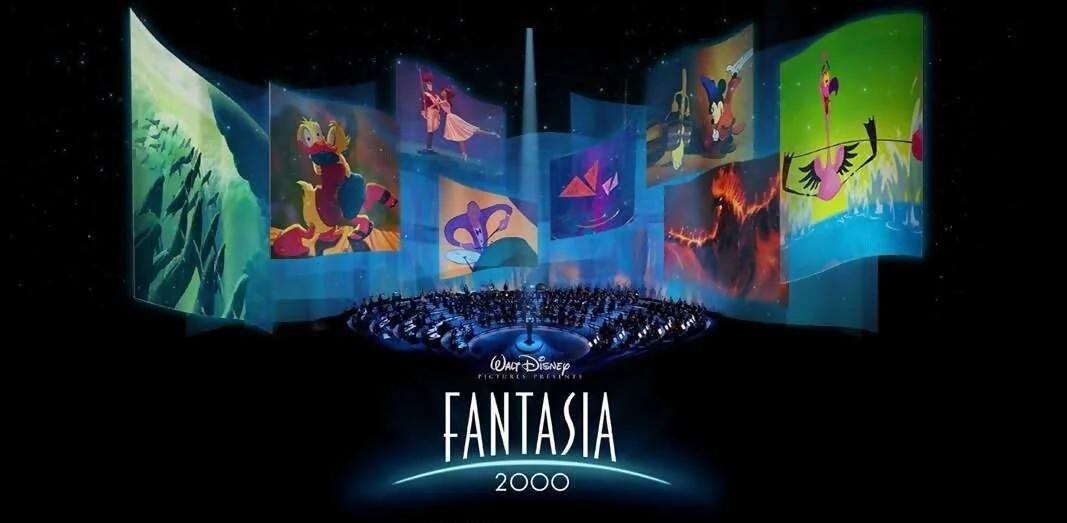
Fig. 1 - Fantasia 2000 (Don Hahn, Pixote Hunt, Hendel Butoy, Eric Goldberg, James Algar, Francis Glebas, Paul and Gaëtan Brizzi, 1999).
The Firebird Suite, based upon Igor Stravinsky’s 1919 orchestral concert work of the same name, is a short animation directed by Gaetan and Paul Brizzi, released in 1999 as a segment within the larger animated feature Fantasia 2000 (Don Hahn, Pixote Hunt, Hendel Butoy, Eric Goldberg, James Algar, Francis Glebas, Paul and Gaëtan Brizzi, 1999) (Fig. 1). Within her introduction segment for both the animation and the orchestral piece from which it was derived, famed actress and film producer Angela Lansbury described The Firebird Suite as a “mythical story of life, death, and renewal.” In doing so, she alighted upon the simultaneous, unified, and diametrical relationships of inherently contrasting elements, such as death and life, and darkness and light, to one another —a concept that would come to serve as the primary narrative catalyst for both media. Within this blog post, I will analyse how, over the course of the animation’s narrative and its story of a war between a valiant spring sprite and a deathly literal firebird, both Stravinsky and the Brizzi siblings utilise counterpoints, both visual and auditory, to portray the pertinence and beauty that contrasting themes owe to each other, collaborating across contrasting eras but alike inspirations to do so.
Decades prior to the creation of its animated adaptation, Stravinsky explored the pertinence of thematic contrasts within his original ballet composition Firebird in 1910. Within his analysis of ballet works and their respective histories, George Balanchine, a famed ballet adaptor, noted within part of his broad-scope analysis Complete Stories of the Great Ballets of how Stravinsky grounded his ballet suite Firebird upon previous works in Russian folklore and their shared narrative archetypes, specifically the presence of contrasting thematic elements. Balanchine noted the similarities between the ballet’s heroic protagonist Prince Ivan and Stravinsky’s own interpretation of the archetypal hero in Russian folk legends as “simple, naive, [and] sometimes even stupid [men] devoid of all malice (Balanchine 1977, 238).”
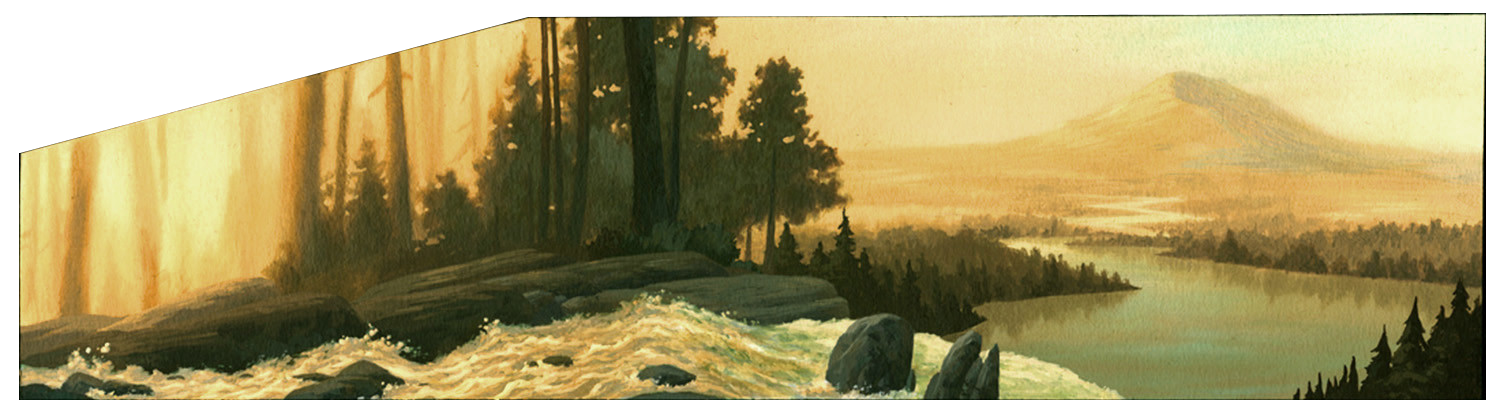
Fig. 2 - The lush mountainscape of Fantasia 2000.
Within Disney’s animated feature Fantasia 2000, the Brizzi siblings wrote their protagonist, a youthful spring sprite, to inhabit a majority of these traits, such as an utter lack of malice in her pursuit to grace life upon a mountainscape utterly devoid of it, alongside her naivete as said pursuit led to her awakening the deathly firebird, her thematic opposition (Fig. 2). This opposition was present as well within Stravinsky’s original ballet, as Balanchine discussed how it took the form of a monstrous magician bearing the name Kastchei who, like the Brizzi siblings’ animated firebird decades later, sought to erase all life from its sight and freeze the world into eternal stone (Balanchine 1977, 237). This thematic counterpoint of life’s change versus death’s stalemate was expressed through Stravinsky’s later rendition of his ballet into a singular suite in 1919, as he wrote the verdancy of life into a light and whimsical first act to combat the horrors of massacre within a tumultuous and fiery second act. Following this first usage of counterpoint, Stravinsky contemplated how peace can be born both from defeat and victory, utilizing a restrained and quiet third act to explore the peaceful but silent ruins of Kastchei’s reign, alongside a similarly peaceful but revelrous conclusion to explore the hero’s vibrant victory. These thematic contrasts, and the auditory counterpoints they were grounded upon, allow for a succinct narrative to be formed within the music, and would be the basis for the Brizzi siblings’ powerful visual adaptation in 1999, telling of an equally heroic sprite’s battle against an equally monstrous firebird, for the sake of life and renewal.
Such a music-based narrative, initially composed by Stravinsky in 1910 and later reformatted in 1919, would be utilized by the Brizzi siblings in their animated adaptation. When interviewed for the Legacy Special Edition release of Fantasia 2000, co-director Gaetan Brizzi and lead character animator John Pomeroy stated how such auditory storytelling, namely Stravinsky’s emphasis upon the cycle of “death and rebirth,” would come to serve as the “perfect storytelling device to showcase [said cycle’s contrasting parts] in a visual tone poem.” The poem’s tone, alongside the contrasts upon which it was founded, would be brought to detail by lead figures such as art director Carl Jones and visual effects coordinator David Bossert in four distinct acts, a narrative which bears significant structural similarity to Stravinsky’s piece.
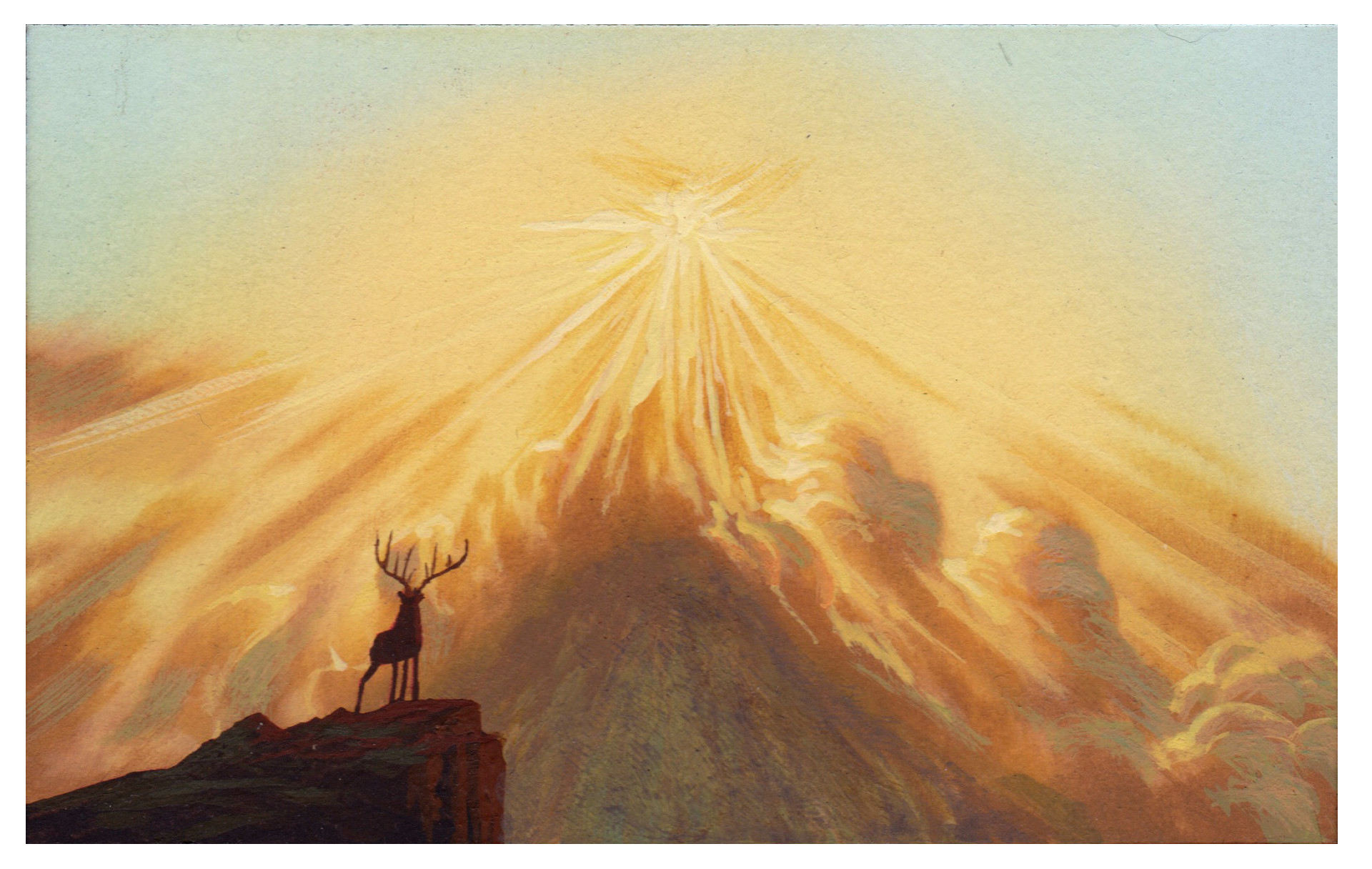
Fig. 3 - Fantasia 2000.
For the first and third acts, which narratively oppose one another, Jones elected to utilise soft and desaturated colour palettes (Fig. 3), while Bossert used a slow yet fluid motion direction. In stark opposition to this, for the second and fourth narratively contrasting acts, Jones radically shifted pace to differing hues yet equally vibrant colour schemes, while Bossert shifted to a fast and rough motion direction for the second act and a fast and fluid motion direction for the fourth act. Alongside these, other contrasting aspects, such as smooth versus coarse environmental and character textures and fluid versus chaotic particle effects, were deployed to display the four different narrative acts, with their contrasting narrative elements, in a stirring visual manner, while both maintaining and exemplifying the auditory storytelling initially posed by Stravinsky.
It is a commonplace theme, cited by a great many, that “without death, there is no life.” Similarly, without grey there can exist no colour in sight, without piano there can exist no forte in sound, and without the firebird’s destruction, the spring sprite’s creation would hold no significance. The inherent beauty and importance of these thematic contrasts to each other were expressed via both visual and auditory means by Stravinksy in his ballet Firebird in 1910 and its later orchestral suite in 1919, allowing the Brizzi siblings and their animation team at Disney to do the same decades later in their animation of the same name, a “mythical story of life, death, and renewal”, one amongst a larger suite of animated adaptations of musical magna opera within Fantasia 2000.
**Article published: December 5, 2025**
References
Balanchine, Mason. 1997. Balanchine’s Complete Stories Of The Great Ballets. New York: Doubleday.
Biography
Austin Van Zandt is an undergraduate student at the University of Texas at Dallas, Harry W. Bass Jr. School of Arts, Humanities, and Technology. His focus is on writing, photography, and digital animation, with ambitions to participate in story writing, music supervision, animation, and lighting/compositing. Earlier versions of this text were developed with the help of Dr. Christine Veras and peers from the Animation Studies course.