Posts tagged ONTOLOGY
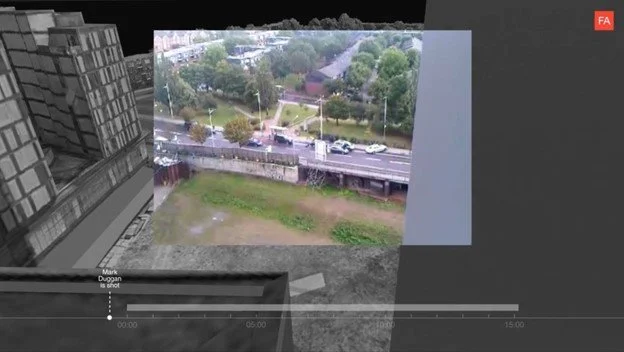
Digital Vérité, Part 2: Forensic Architecture and Animating the Killing of Mark Duggan

In Part 1, I introduced Digital Vérité — a framing of documentary image-making practices that assert their truth claims specifically through the use and application of digital tools. I argued that this rhymes with cinema vérité's earlier technological truth claim, and that the same scepticism should be attached to it. This second part works through that scepticism via a case study.

Read More
Digital Vérité, Part 1: What the Future of Documentary's Truth Claims Looks Like

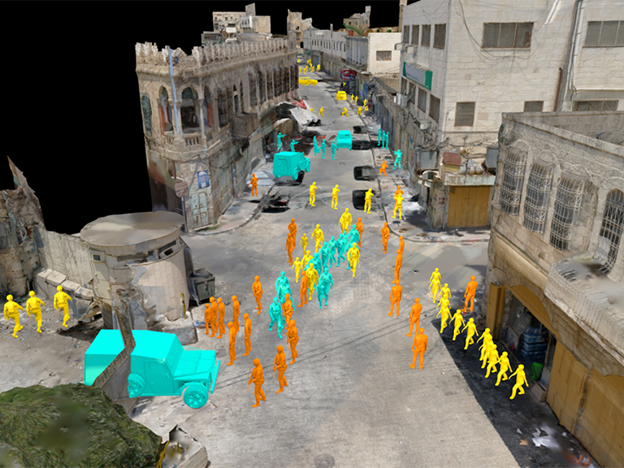
In 1960, a small film crew followed John F. Kennedy through hotel corridors and union halls during the Wisconsin Democratic primary. Primary (1960) might not appear to be pushing technological boundaries to modern viewers but, at the time, its apparatus of handheld cameras, synchronised sound, and, crucially, minimal narration over intimate scenes was a small revolution. The filmmakers (Robert Drew, Richard Leacock, D.A. Pennebaker, Albert Maysles) took advantage of these advancements to claim that what their cameras could now do bordered on the metaphysical. They could "be part of the woodwork." They could capture reality "as it really happens."

Read More
Why Animation Is the Perfect Medium to Explore Simulacra

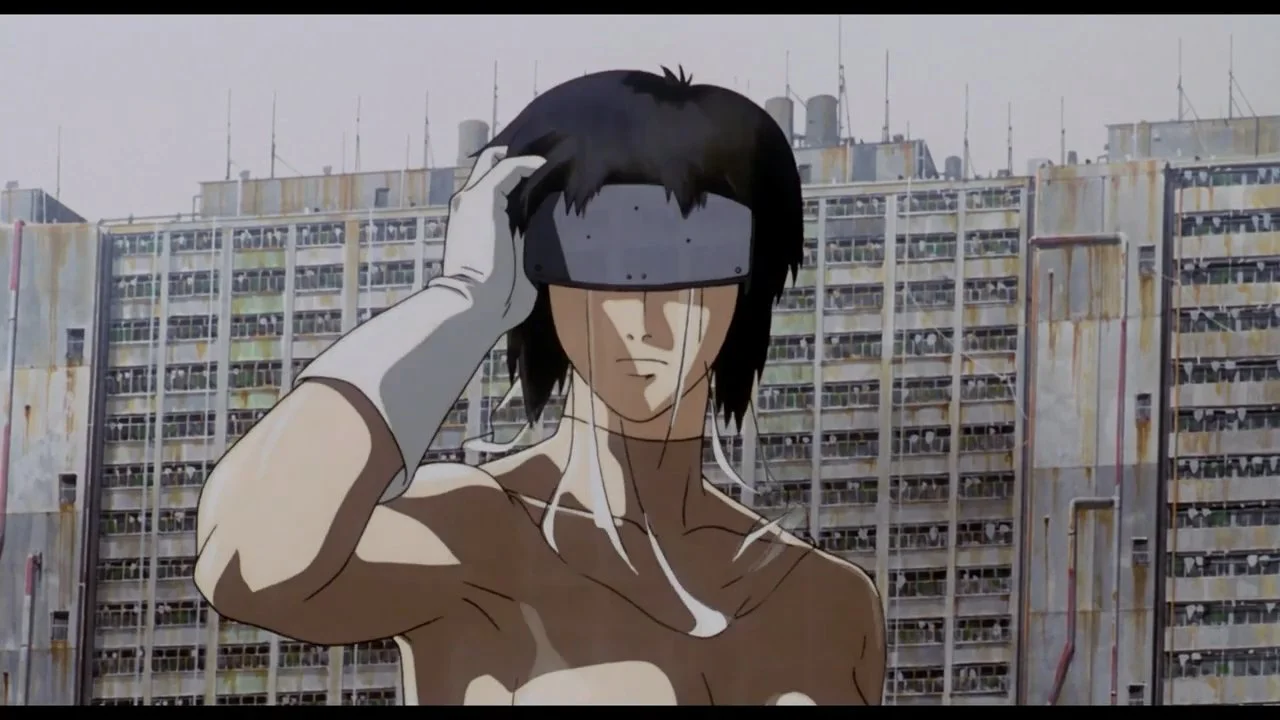
The line between authentic and synthetic has become as thin as it can get, whether by choice or because of the way the world is today. When we look into it deeper, we can see the similarities with Jean Baudrillard's “simulacrum,” a copy without an original, where the representation of something becomes more real than the actual object itself. Animation is an ideal way to explore the concept of “simulacrum” and how it translates into our reality.

Read More
The Multiverse of Animation

A scientific experiment goes awry and rips a hole in the fabric of reality. It is a gateway to a parallel universe, similar to our own in some ways, yet vastly different in others. The concept of alternate universes coexisting within a broader multiverse has been a staple of science fiction and fantasy since Michael Moorcock first adopted the trope in his 1963 novella The Sundered Worlds. A fictional multiverse opens up an extraordinary range of new possibilities for creative storytelling, unconstrained by a single world’s established history or even its laws of reality. It is that malleability that makes multiverses the perfect narrative framework for a crossover story.

Read More