
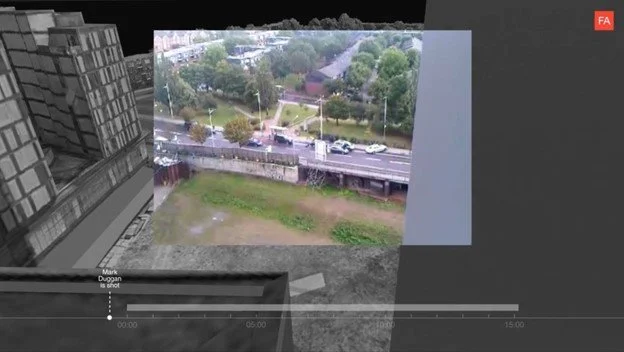
In Part 1, I introduced Digital Vérité — a framing of documentary image-making practices that assert their truth claims specifically through the use and application of digital tools. I argued that this rhymes with cinema vérité's earlier technological truth claim, and that the same scepticism should be attached to it. This second part works through that scepticism via a case study.
Read MoreIn 1960, a small film crew followed John F. Kennedy through hotel corridors and union halls during the Wisconsin Democratic primary. Primary (1960) might not appear to be pushing technological boundaries to modern viewers but, at the time, its apparatus of handheld cameras, synchronised sound, and, crucially, minimal narration over intimate scenes was a small revolution. The filmmakers (Robert Drew, Richard Leacock, D.A. Pennebaker, Albert Maysles) took advantage of these advancements to claim that what their cameras could now do bordered on the metaphysical. They could "be part of the woodwork." They could capture reality "as it really happens."
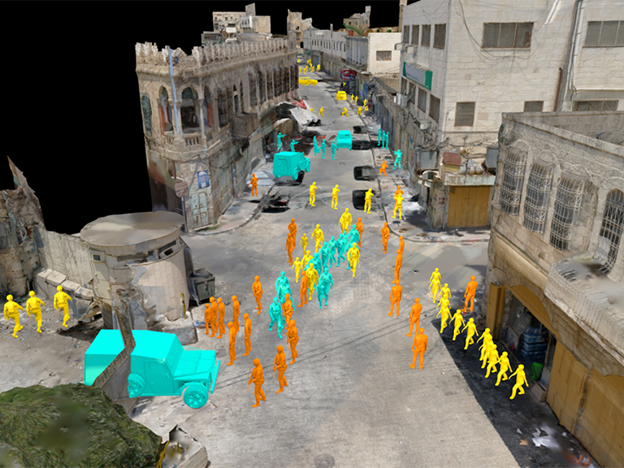
Read MoreIn Animating Truth: Documentary and Visual Culture in the 21st Century, Nea Ehrlich discusses a growing body of works broadly called animated documentaries. For the purposes of this open-access monograph, Ehrlich employs Sheila Sofian’s definition of the form as “any animated film that deals with non-fiction material” (36), expands it beyond the cinematic space and considers the use of animation outside of the theatrical setting.
Read MoreIn today’s visual culture, animation is at an interesting turning point, poised between fiction and fact, perhaps combining the two. We are increasingly confronted with ubiquitous animated images, videos, and gifs, for example, on smartphones, computers, in airplanes, doctors’ offices, schools, and many more, which are all used uncritically to represent or express real events, feelings, processes, and interactions.
Read More