Why Animation Is the Perfect Medium to Explore Simulacra
The line between authentic and synthetic has become as thin as it can get, whether by choice or because of the way the world is today. When we look into it deeper, we can see the similarities with Jean Baudrillard's “simulacrum,” a copy without an original, where the representation of something becomes more real than the actual object itself. Animation is an ideal way to explore the concept of “simulacrum” and how it translates into our reality.
Is Animation a Simulacrum?
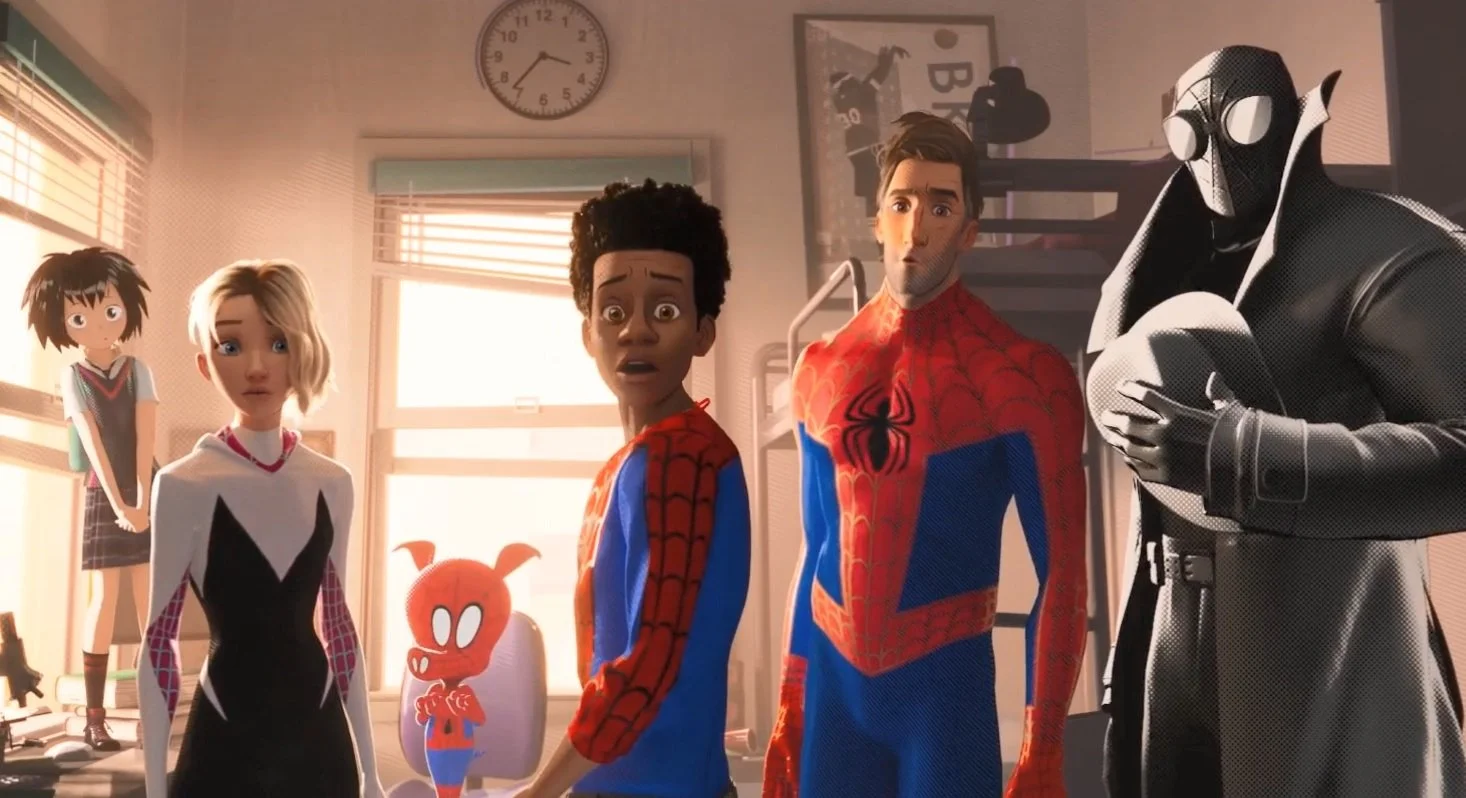
Fig. 1 - Spider-Man: Into the Spider-Verse (Bob Persichetti, Peter Ramsey & Rodney Rothman, 2018).
Live-action photography is based on an indexical link to reality, where the camera captures photons bouncing off a real object. Animation, on the other hand, comes from a vacuum. Every frame is carefully and deliberately put together. This built-in “artificiality” lets creators skip the uncanny valley’s aesthetic dissonance and go straight to the heart of the simulacrum.
Construction vs. Capturing
In an animated diegesis, there is no “authentic“ reference point for the viewer to cling to. When watching a film like Spider-Man: Into the Spider-Verse (Bob Persichetti, Peter Ramsey & Rodney Rothman, 2018) (Fig. 1), we are not observing a world that exists in situ; we are witnessing a world that is the medium. The grain of halftone dots and the jitter of ink lines do not merely represent a comic book—they constitute the molecular reality of the characters. This ontological plasticity allows animation to peel back the layers of the simulacrum more effectively than any other form, as it can seamlessly fuse the mechanical, the digital, and the hand-rendered into a singular, hallucinatory “hyper-reality.“
Managing Hyperreality in the Digital Age
The concept of the simulacrum shifts from a philosophical abstraction to a lived experience. We interact with avatars and algorithmic feeds that curate our perception of truth. Animation is uniquely poised to mirror this digital displacement because it shares the same computational DNA as the software governing our modern lives.
Simulacra in Remote Work
Just as avatars and memojis serve as a third-stage simulacrum to hide the absence of physical presence, animators who work remotely also use VPNs, sometimes even a double VPN, to project a false “where” that masks their true geography. For those unsure of what is a double VPN, it works by routing data through two separate servers, creating a simulation twice removed from the source, ensuring that the animator’s digital trace remains hard to spot.
The Zenith of the Digital Copy
In the domain of CGI and procedural modeling, the simulacrum reaches its apex. When an artist generates a “photorealistic” render of an object, they are not replicating an item; they are calculating the mathematical probability of light-surface interaction. This is a perfect example of Baudrillard’s third order of simulacra, where the simulation precedes the real, dictating the terms of its existence.
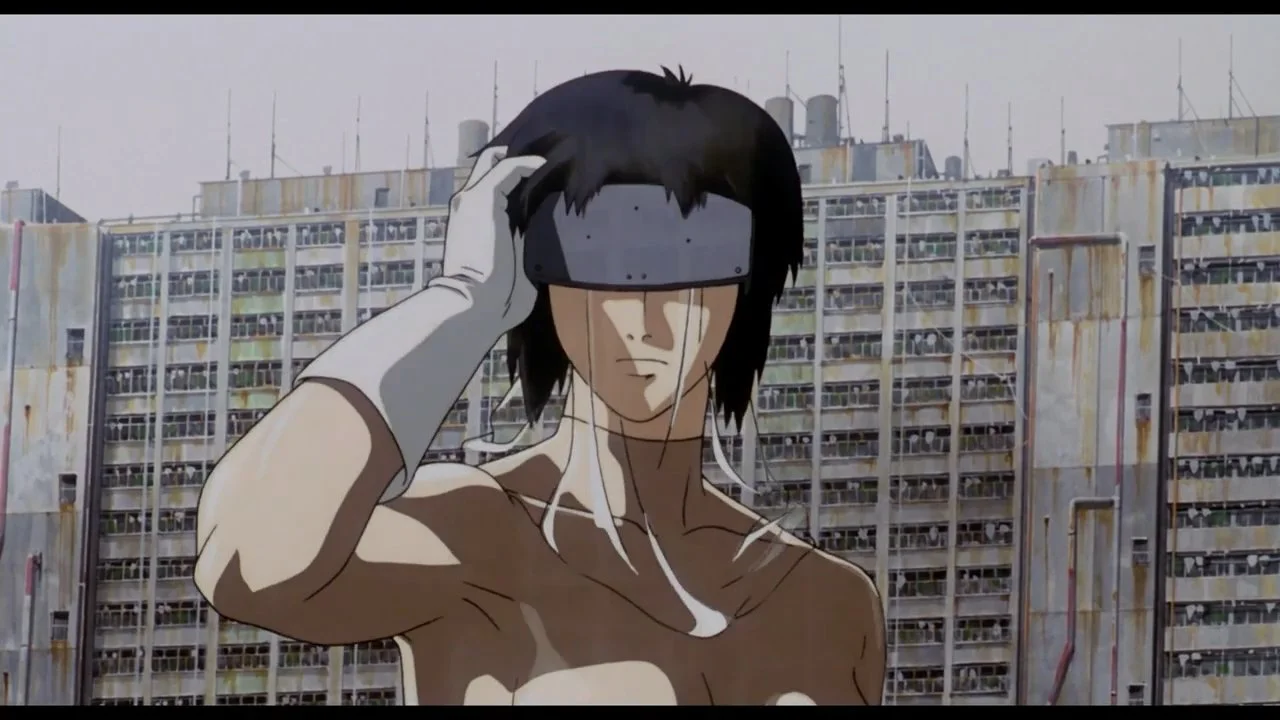
Fig. 2 - Ghost in the Shell (Mamoru Oshii, 1995).
Case Studies: When the Medium Becomes the Message
To truly grasp how animation interrogates these themes, we must examine works that leverage their aesthetic artifice to destabilize the viewer’s sense of reality:
Perfect Blue (1997): Widely considered Satoshi Kon’s magnum opus, it utilizes the fluidity of the medium to liquefy the boundaries between an idol’s public veneer, their private psyche, and cinematic personas. The “copy” eventually usurps the “original.”
Ghost in the Shell (Mamoru Oshii, 1995): This film probes the “ghost” (consciousness) within a “shell” (the cybernetic vessel) (Fig. 2). The clinical and hybrid digital animation style blends traditional hand-drawn work with digital techniques and reflects a world where humanity is just another mutable data point.
The Lego Movie (Phil Lord & Christopher Miller, 2014): Beneath its frenetic exterior lies a literal world of simulacra. Mass-produced components that can be endlessly reconfigured, questioning the sanctity of the “original” versus the “assembled.”
The Reflexive Power of Animation
Animation’s most potent strength in exploring the simulacrum is its inherent reflexivity. As it is a medium that demands that the audience acknowledge a “lie” from the opening frame, it fosters a unique cognitive space for critical engagement. We are perpetually cognisant of the artifice, which sharpens our sensitivity to the ways our own “real” world is socially and technologically constructed.
Deconstructing the Myth of the Original
In an era dominated by mechanical and digital reproduction, the “original” has forfeited its sacred aura. Animation celebrates this obsolescence. A hand-painted cel holds no more ontological weight than its digital twin; both are expressions of an intent that bypasses the need for physical grounding. By severing the anchor to the tangible, animation compels us to confront the fact that our identities and memories are often mere compilations of signs—a vivid, moving simulacrum we inhabit by choice.
**Article published: May 1, 2026**
Biography
Pam Brown is a linguist who left her job in a high school because she needed a new challenge in her young life. With her impeccable knowledge of the English language and her passion for literature, she makes one hell of a writer and lector. You definitely want her on your content marketing team.