The post-Spiderverse boom: New developmental styles in the Hollywood computer-animated film - Part 2
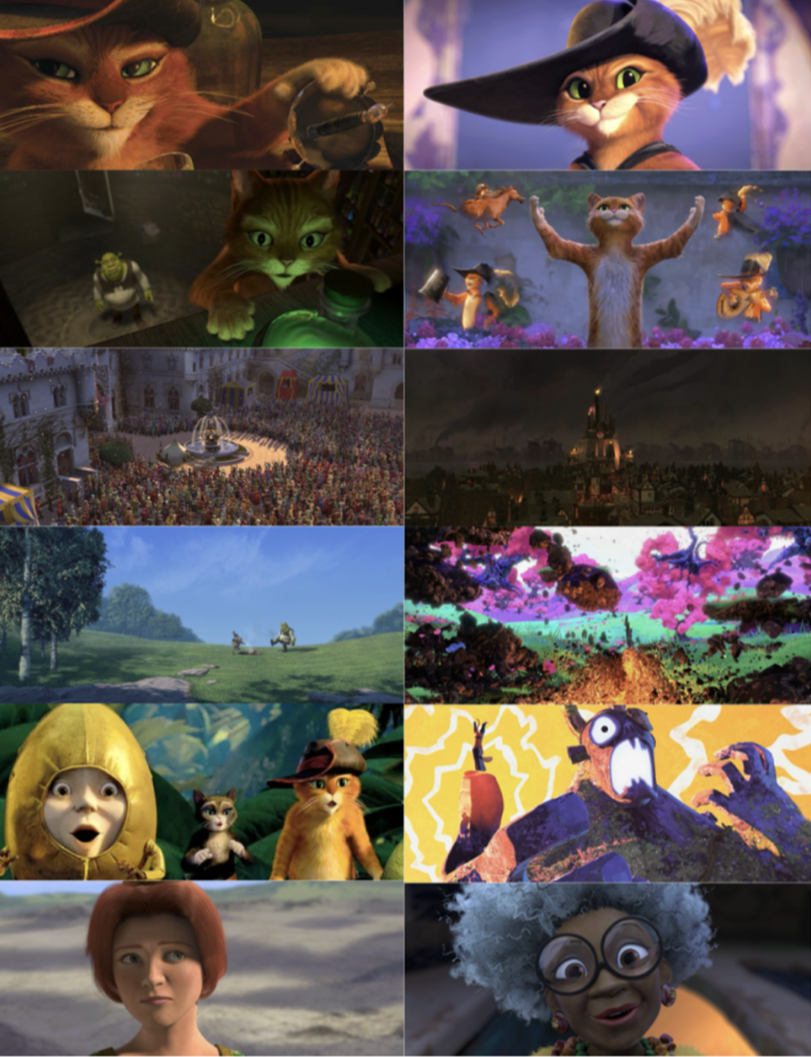
Fig. 1 - Previous Shrek films versus The Last Wish.
***This post was written in collaboration with Rachel Reilly and Minxi Zheng***
This is the second blog post of three discussing the emergence of a new developmental computer-animated style in mainstream studio animation. This week will leave Pixar behind, focusing on the DreamWorks studio as we analyse Puss in Boots: The Last Wish (Joel Crawford 2022), the most recent instalment in the Shrek (2001-) franchise, and the second standalone film featuring the character of Puss in Boots. Prior to this film, DreamWorks had primarily produced 3D hyperrealism films; The Last Wish diverges from the studio's usual formula and instead takes on more stylized, “painterly” visuals (Fig.1). While the animation remains computer-generated, the style is distinct from previous films as it was intended to emulate the look and texture of a storybook, using “painterly” rendering to blend softer brush-like textures with expressive, frame-conscious movement (Basset et al. 2013, 156). This shift in style stemmed from the influence of Spider-Man: Into the Spider-Verse, with director Joel Crawford noting that although earlier films like Shrek were celebrated for their technical realism, post Spider-Verse audiences expected greater stylistic innovation (Weiss 2024).
The film also contrasts the lighter, adventure-driven narrative of its predecessor as The Last Wish tackles heavier themes such as mortality, morality and anxiety. The story follows Puss as he struggles to maintain his status as a fearless adventurer, while being hunted by the inevitability of death. These existential, internal conflicts are portrayed in a relatable way to mass audiences, allowing this new visual style not only to align with evolving audience tastes, but also to serve as a narrative tool that is able to deepen engagement with the protagonist's psychological journey (Fig.2).
This style shift can be understood through Paul Wells' concept of “developmental animation,” which he suggests in Understanding Animation, is a midpoint between orthodox and experimental approaches (Wells 1998, 51). He distinguishes those two styles primarily through their mode of storytelling and form, how they construct characters and environments, and sustain linear storytelling or stylistic continuity. However, these animation labels become complicated when applied to major studios' productions, given their need to maintain mass appeal.
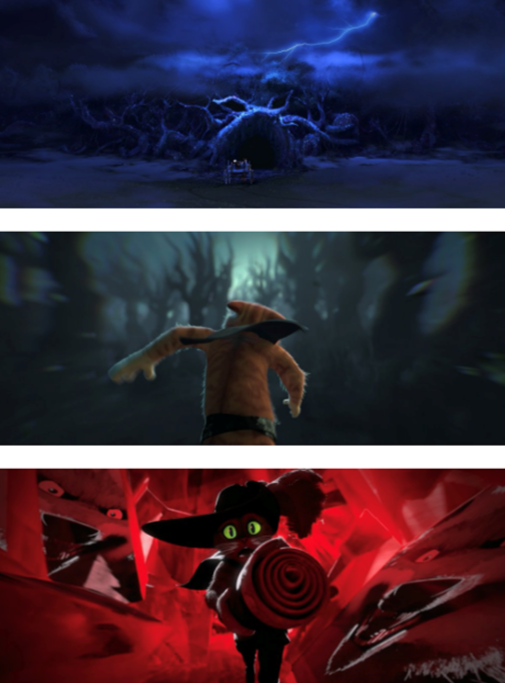
Fig. 2 - Style used to display internal conflict.
As Andrew Darley argues, attempts to define animation through fixed or essential characteristics can limit our understanding of the medium, privileging certain forms while marginalizing others (Darley 2007, 66). Building on Wells’ broad categorization of developmental animation as a midpoint between two opposing modes, films such as The Last Wish, neither strictly orthodox nor fully experimental, occupy a redefined version of this category. These works balance the innovation of experimental animation with orthodox narrative structures in order to remain accessible and marketable to mass audiences.
Another way to reconsider developmental animation in a mainstream context is to examine Wells' discussion of “materiality,” which he describes as “the audience recogniz[ing] the physical nature of the paint itself” (Wells 1998, 61). While these newer, stylized films are entirely computer-generated and don’t physically show the materials used, they still bring attention to the craft behind the animation’s creation. In The Last Wish, medium-awareness is demonstrated by “leakage” as described by Aylish Wood, where the constructed nature and technology of animation becomes visible to audiences (Wood 2007, 2). Rather than attempting to conceal their animated qualities, as seen in early entries in the Shrek franchise, The Last Wish exemplifies “leakage,” as seen in the final battle of the film. The scene plays with colours, textures, and movement in ways that are only possible through animation, underscoring to audiences the film’s animated nature. By establishing this redefinition, we might interpret the concept of “materiality” as highlighting the technology and production behind animation rather than the actual presence of artistic materials. Thus, “leakage” can be seen as a mainstream form of experimental materiality.
The final battle of The Last Wish.
Puss in Boots: The Last Wish, through its painterly visuals and more introspective themes, has marked a distinct shift from its previous franchise instalments. And while the film still draws primarily on orthodox structures, it is important to recognize that an established franchise took on a stylistic risk. To not undermine this shift, we should reconsider how animated films such as The Last Wish are categorized, particularly when they diverge from their franchise counterparts. These kinds of films prompt us to re-examine what developmental animation means within a major studio context, as the film balances both mass audience expectations with visual experimentation, expanding the possibilities of what mainstream animated films can achieve within the constraints of commercial success. Next week’s post, the final in this series, turns to Sony’s Spider-Man: Across the Spider-Verse (Joaquim Dos Santos, Kemp Powers & Justin K. Thompson, 2023), the sequel to the film that reshaped what a commercially successful major studio computer-animated film could be. Where we might expect the sequel to consolidate the style of its predecessor, Across the Spider-Verse pushes even harder against the boundaries of what a studio computer-animated film can be, refusing to play it safe in favour of challenging established categories even further.
**Article published: October 9, 2026**
References
Bassett, Katie, Ilya Baran, Johannes Schmid, Markus Gross, and Robert W. Sumner. 2013. “Authoring and Animating Painterly Characters.” ACM Transactions on Graphics, vol. 32, no. 5, September 2013: 1–12.
Darley, Andrew. “Bones of Contention: Thoughts on the Study of Animation.” animation: an interdisciplinary journal 2, no. 1 (March 2007): 63–76.
Weiss, Josh. 2024. “How ‘Puss in Boots: The Last Wish’ Upped Its Animation Game in a Post-’Spider-Verse’ Landscape.” SYFY (September 10, 2024), available at: www.syfy.com/syfy-wire/how-puss-in-boots-the-last-wish-upped-its-animation-game.
Wells, Paul. 1998. Understanding Animation. London: Routledge.
Wood, Aylish. 2007. Digital Encounters. London: Routledge.
Biography
Lucy Scarrow is a Media Studies student at the University of British Columbia. Her academic work examines film, popular culture, journalism, and creative writing, with a particular interest in interdisciplinary approaches to media and storytelling.