
Raya and the Last Dragon: When Cultural Inspiration Replaces Authentic Representation
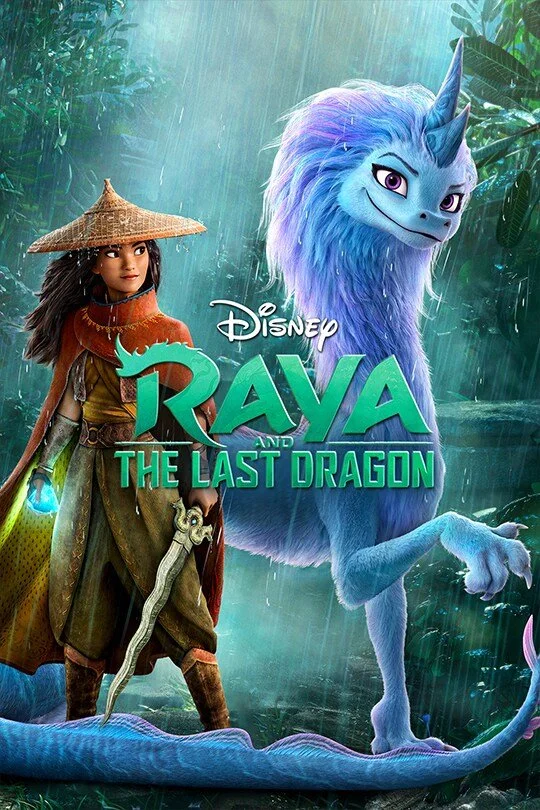
Fig. 1 - Raya and the Last Dragon (Don Hall & Carlos López Estrada, 2021).
Raya and the Last Dragon, the 2021 Disney animated film directed by Don Hall and Carlos López Estrada, introduces a new Asian princess (and the company’s first since the release of Mulan [Tony Bancroft & Barry Cook, 1998]), and is directly inspired by Southeast Asian cultures. Upon closer analysis, however, these claims are questionable. The film may look aesthetically Asian, but the filmmakers use only surface-level Southeast Asian cultural symbols and designs. Though Disney asserts the film as authentic, its marketing creates only the appearance of inclusion, despite the fact that upon the film’s release “plenty of people shared their excitement around seeing their cultures represented onscreen” (Moon 2021). Critics have since pointed out several problems: the film's blend of generalised Asian visuals, its choice of fantasy over cultural detail, and its lack of Southeast Asian creatives in major roles, which together suggest a degree of tokenism. For example, casting Aquafina, a Chinese-Korean actress, as the dragon Sisu illustrates the absence of Southeast Asian voices more broadly (Fig. 1). Ultimately, although Raya and the Last Dragon is promoted as an authentic Southeast Asian story, its use of superficial aesthetics and one-dimensional generalisations exposes a deeper issue: Western media’s ongoing practice of overshadowing and homogenizing Southeast Asia. This film exemplifies how Hollywood typically prioritises marketable, pan-Asian representations, often favouring East Asian identities, at the expense of genuine Southeast Asian authorship and cultural specificity, leaving Southeast Asian storytellers largely excluded from the creative process.
The narrative of Raya and the Last Dragon unfolds in the fantasy realm of Kumandra, a land inhabited by humans and revered dragons known for their ability to bring rain. Kumandra once experienced harmony and prosperity until the emergence of malevolent spirits called the Druun, which feed on distrust and negative emotions. In response, the dragons created the “Dragon Gem” and sacrificed themselves to save the land. Despite these efforts, lingering distrust led to the division of Kumandra into five tribes: Fang, Heart, Spine, Talon, and Tail. The story follows Raya, a warrior princess from the Heart tribe, as she embarks on a quest to find the last dragon and restore Kumandra’s unity. Raya’s journey with the last dragon, Sisu, involves overcoming significant challenges and confronting internal struggles with trust. Throughout the narrative, Raya and Sisu form alliances with individuals from across Kumandra, creating a found family. Ultimately, Raya learns that saving Kumandra depends on uniting its people and fostering trust within herself and the broader community.
Xiran Jay Zhao - How Disney Commodifies Culture - Southeast Asians Roast Raya and the Last Dragon (Part 1).
The film was positioned by Disney as an authentic interpretation of Southeast Asian culture, with the company heavily promoting Raya as the first Southeast Asian princess in its lineup. This was evident in product descriptions and on Disney’s official news website at the time of its release (Pollock, 2021). However, only five of the twelve official voice actors in Raya and the Last Dragon are of Southeast Asian descent, and four of these five have minimal dialogue or screen time. Xiran Jay Zhao, a recognised author and media analyst, collaborated with Southeast Asian contributors to provide a range of perspectives on the film’s cultural representation. Zhao (2022) observes that “some of these Southeast Asian actors had less than three spoken lines of dialogue” (see right).
Furthermore, Southeast Asian actors are often relegated to 'Additional Voices,' typically unnamed characters who contribute only group sounds (Moon 2021). This casting strategy highlights the irony that, despite claims of authentic representation, Southeast Asians remain largely in the background. The production team also reflects this lack of representation, with only two Southeast Asian co-writers (Vietnamese-American Qui Nguyen and Malaysian Adele Lim) out of eight writers within the film’s production (Moon 2021). The art team included a handful of Southeast Asian artists, such as Fawn Veerasunthorn, a Thai American and the film’s lead storyboard artist. Disney also established the Southeast Asia Story Trust, a group of consultants with expertise in music, choreography, architecture, and martial arts, to enhance the film’s authenticity (Moon 2021). To contextualise the lack of Southeast Asian presence, it is important to recognise that Southeast Asia comprises eleven distinct nations, each with its own history, languages, and religious and cultural traditions. Even within a single Southeast Asian country, there is significant polyethnicity; for example, Indonesia has over 300 ethnic groups, and Myanmar recognises more than 130 distinct peoples (Leinbach 2026). The Philippines and Vietnam also contain diverse island and mountain communities.
This vast complexity demonstrates why it is challenging, and perhaps reductive, for a single film or a few creative voices to adequately represent Southeast Asian cultures. Framing Raya and the Last Dragon as an “Asian Film” is therefore misleading. The inclusion of Southeast Asian creatives is often used to justify the appropriation of marginalised cultures. As Xiran Jay Zhao states, “It’s monolithic thinking to believe that these writers can speak over other countries they don’t represent” (Zhao 2022). Zhao also notes that the writers faced an impossible task, as the presence of Southeast Asians on the production team does not guarantee accurate representation. The region’s diversity directly challenges the film’s claims to authenticity (Leinbach 2026), while the lack of genuine authenticity in the film's authorship directly influences its portrayal of culture.
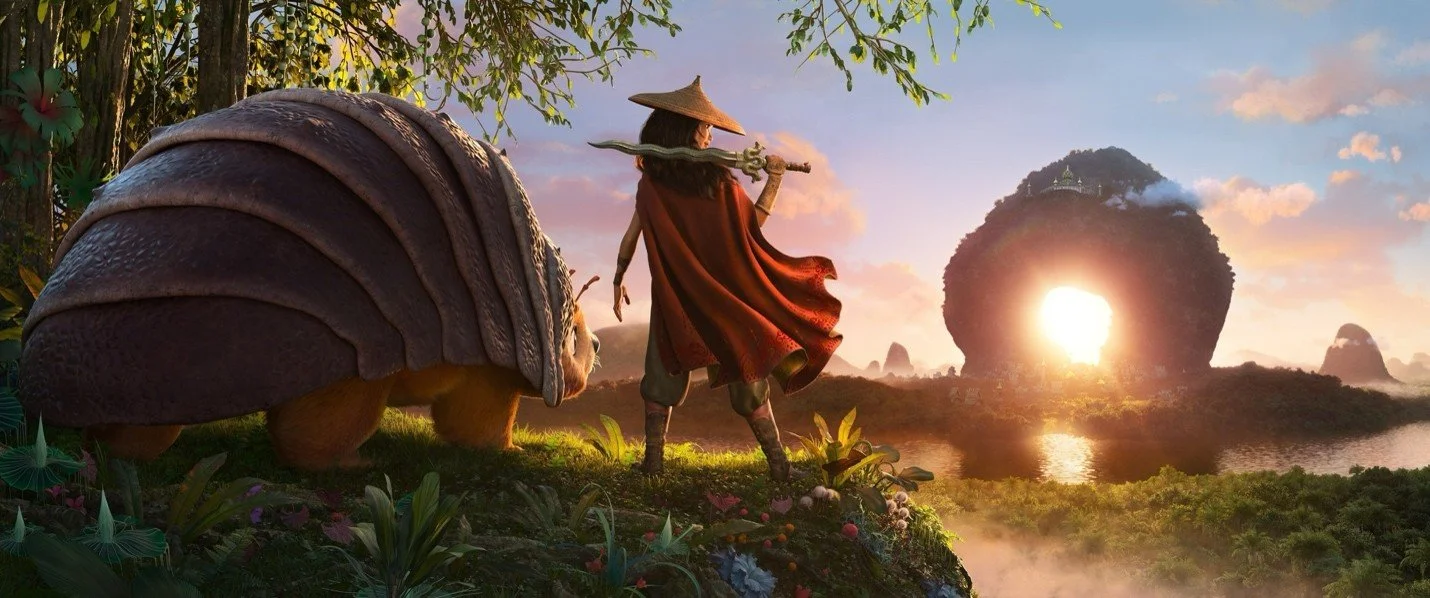
Fig. 2 - Raya and the Last Dragon. https://press.disneyplus.com/disney-plus/raya-and-the-last-dragon/images?image_id=a7a4cf9275d430e60b5bc946b0e9b551_4096x1715_d23efbaa.
The production team deliberately avoided associating the film’s narrative with any specific Asian culture. Qui Nguyen, one of the co-writers, explains, “The easy thing we could have done was, this land in Kumandra was Thailand, this was Vietnam, this one’s Malaysia… But then it gets into a really ugly place” (Moon 2021). This approach aimed to avoid both antagonising and idealising any real-life culture or country. Consequently, the film merges multiple Southeast Asian cultures into a single fictional world. While inspirations from specific countries are evident in the setting, the emphasis remains on visual cohesion rather than cultural specificity (Fig. 2). This strategy reinforces cultural homogenisation and perpetuates generalised views of Asia. Jonathan Castanien, co-founder and co-producing artistic leader at The Sống Collective, observes, “When we’re grouped together like that, it’s hard to hit everything.” This highlights the argument that specificity enhances representation rather than causing exclusion (Moon 2021). A narrative is enriched when it explores a culture in depth rather than selectively borrowing from a collective group. The film centres on five “distinct” tribes in Kumandra, yet none represents a single Southeast Asian culture. In the opening scenes, each tribe is introduced through visual shorthand: Tail is depicted as a sweltering desert with cunning mercenaries; Talon is a floating market known for quick deals and agile fighters; Spine is a cold bamboo forest guarded by large warriors; Fang is portrayed as the fiercest enemy, protected by assassins and their aggressive cats. These depictions serve as immediate labels rather than developed cultures, instructing the audience to judge each group within seconds. While this method is efficient for storytelling, it reduces culturally inspired societies to one-dimensional archetypes (Fig. 3). Such characterisation aligns with cultural essentialism, as the film reduces entire groups not by religion, heritage, or culture, but by personality (see Zhao 2022).
The film also visually reinforces cultural reduction as characters traverse Kumandra, utilizing distinct formal elements such as color palettes, environmental design, and staging to quickly introduce each tribe. This approach reduces complex cultures to simple visual tokens. For example, Fang is depicted with white geometric pillars, white facades, and golden roofs reminiscent of the Grand Palace in Bangkok, Thailand. The area is surrounded by rice terraces and jungle scenery. The use of whites and pale tones signifies Fang as the wealthiest and most opulent tribe and conveys themes of control and superiority. The animation employs colour as a shortcut for character development; while visually efficient, this method reduces entire societies to mere icons and images rather than authentic, lived-in cultures. The architecture and terrain render the tribes as themed zones rather than complex communities, conveying their identities before any dialogue occurs. Even brief shots of Fang are composed and symmetrical, further emphasizing an aesthetic of superiority and control.
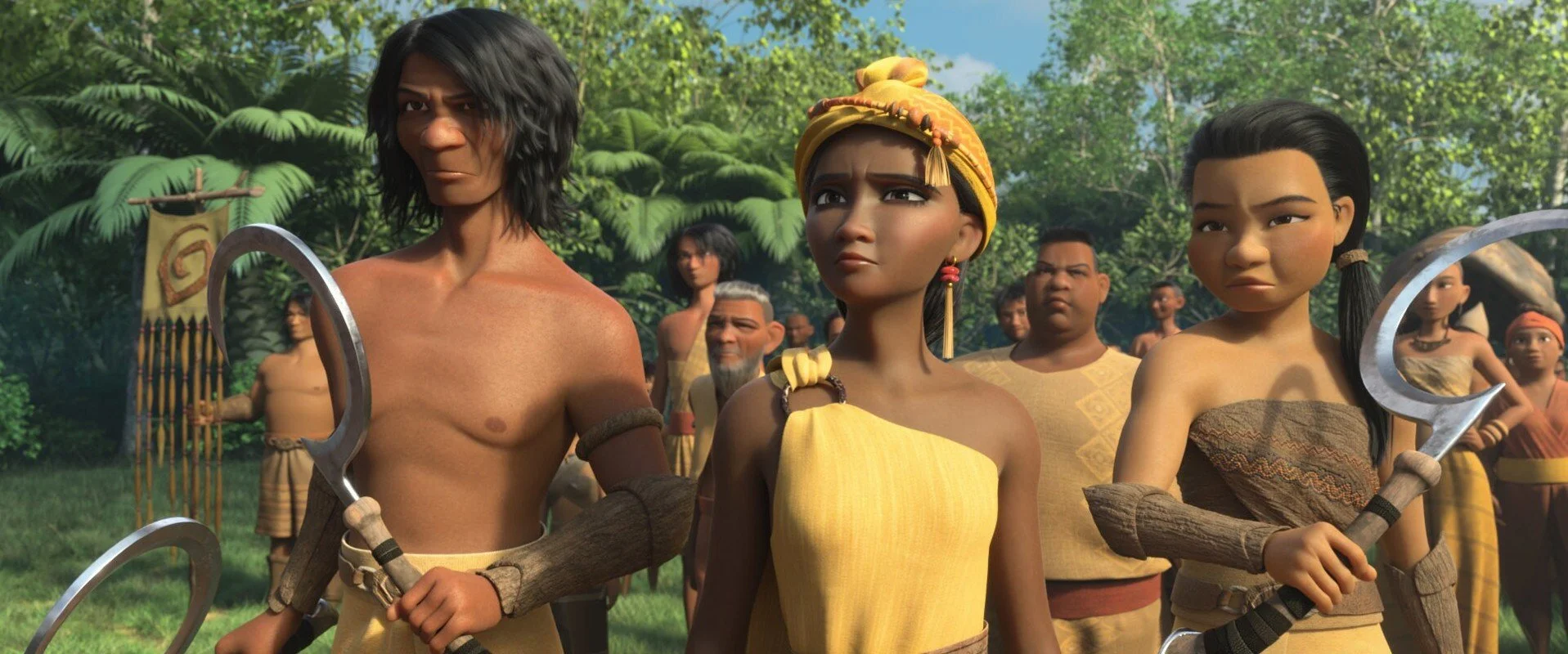
Fig. 3 Raya and the Last Dragon. https://press.disneyplus.com/disney-plus/raya-and-the-last-dragon/images?image_id=raya-online-use-130_f559d86c.
By embedding these traits into the animation, the film normalises reductive representations. Although Raya and the Last Dragon had the potential to highlight individuality among the five tribes, the limited screen time resulted in their portrayal as generic stereotypes. Consequently, the worldbuilding contradicts the film’s message of unity by visually conditioning audiences to perceive cultures as fundamentally distinct and defined by singular traits. The primary critique is not the fantasy setting itself, but the film’s approach to cultural representation. While Western media often constructs fantasy worlds blending European influences and referencing widely recognised cultures, Southeast Asia remains underrepresented. In this film, it is depicted as “an unrecognizable fantasy movie with so little Southeast Asians involved” (Zhao 2022). In contrast, many films portray distinct European cultures. Raya and the Last Dragon, promoted as the story of the “first Southeast Asian Princess” (Pollock 2021), presents only abstract tribes. There are no explicitly Filipino, Vietnamese, or Indonesian characters. Raya herself lacks a specific national or cultural identity, instead serving as a generalised ‘Asian’ princess from Kumandra. This generalisation, in which Raya’s identity could be interchanged with any Southeast Asian identity, suggests she was never intended to represent any particular group.
In conclusion, although Raya and the Last Dragon was promoted as an authentic interpretation of Southeast Asia and as progress toward greater Southeast Asian representation in Western (animated) media, it ultimately falls short due to limited authentic Southeast Asian involvement in its production and prioritises generalised aesthetics over cultural authenticity. This deficiency undermines the film’s claims to authenticity and exemplifies a broader trend in Western media that marginalises Southeast Asian cultures in favour of a more marketable, collective Asian identity. Subsequent animated projects released after Raya and the Last Dragon, such as the television series Blue Eye Samurai (Amber Noizumi & Michael Green, 2023-) and KPop Demon Hunters (Maggie Kang & Chris Appelhans, 2025), have received greater critical acclaim for their cultural authenticity in both content and production, further reinforcing the dominance of East Asian narratives in Hollywood. Addressing this persistent imbalance requires more than superficial inclusion; it demands genuinely inclusive authorship and a sustained commitment to representing Southeast Asia's diversity. Only through meaningful representation can Western media move beyond tokenism and address the central question: Can authentic stories from across Asia truly find their place on the global stage?
**Article published: November 13, 2026**
References
Leinbach, Thomas R., and William H. Frederick 2026. “Southeast Asia.” Encyclopedia Britannica: https://www.britannica.com/place/Southeast-Asia.
Moon, Kat. 2021. “Raya and the Last Dragon and Southeast Asian Representation.” TIME (March 6, 2021), available at: time.com/5944583/raya-and-the-last-dragon-southeast-asia/.
Pollock, Tina. 2021. “Exploring the World of Raya and the Last Dragon through Design.” Disney News (March 3, 2021), available at: https://news.disney.com/raya-design.
Sutanto, Shienny Megawati. 2022. “Southeast Asian Visual Culture in the animated film ‘Raya and the Last Dragon.’” Lekesan: Interdisciplinary Journal of Asia Pacific Arts 5, no. 2 (October): 82–92.
Xiran Jay Zhao. 2022. “How Disney Commodifies Culture - Southeast Asians Roast Raya and the Last Dragon (Part 1).” YouTube (February 4, 2022), available at: https://youtube.com/watch?v=Pwn8YD8sobo.
Biography
Rod Alcos is a student at The University of Texas at Dallas, Harry W. Bass Jr. School of Arts, Humanities, and Technology, concentrating on Animation with a focus on 3D modeling, sculpting, and all aspects of 3D in games and film. Earlier versions of this text were developed with the help of Dr. Christine Veras and peers from the Animation Studies course.