
An Analysis of The Night is Short, Walk on Girl (Masaaki Yuasa, 2017)
The Night is Short, Walk on Girl (Masaaki Yuasa, 2017) - Trailer
Masaaki Yuasa’s 2017 animated film, The Night is Short, Walk on Girl is unconventional in many ways. The director’s trademark style of rich multimedia animation includes watercolour backgrounds mixed with collage-like textures peppering scenes that elevate the unshaded and flat-coloured characters to a realm of a living storybook. Stylistically, exaggerated motion and visually surreal cutaways compliment the playful romantic comedy plot of an unnamed college senior and his companion (known as ‘junior’) on a nocturnal adventure through surreal representations of Japanese nightlife. Japanese animation itself has always been a genre with global — often Western — influences, and Yuasa’s work is no different, echoing the cartoony aspect of Tex Avery’s Warner Brothers’ shorts or like the work of the Fleischers in playing with scale and inventive framing (see Crombie 2022).
Yet Yuasa’s film is an oddly fitting example with regards to the topic of hybridization within critical discussions of Japanese animation — namely the idea that Japanese animation’s mixed nature of taking influence from Western animation gives it a broad, “stateless” style which lends to widespread appeal among international audiences, especially Western ones (Leong 2011, 21). However, the eclectic style of The Night is Short, Walk on Girl that draws from Western animation does not feel “stateless” or lacking nationality, but instead, every visual sequence that these techniques are used in serves to present very specific national symbols and cultural references not just in the background, but serve as important narrative motifs. In this blog post, I argue that The Night is Short, Walk on Girl serves as a case study of how international film should in fact not need to “translate” its content to be more appealing to outside, international audiences, but instead it is the moments highlighting cultural specificity and localised experiences through animation that make a narrative more universally appealing.
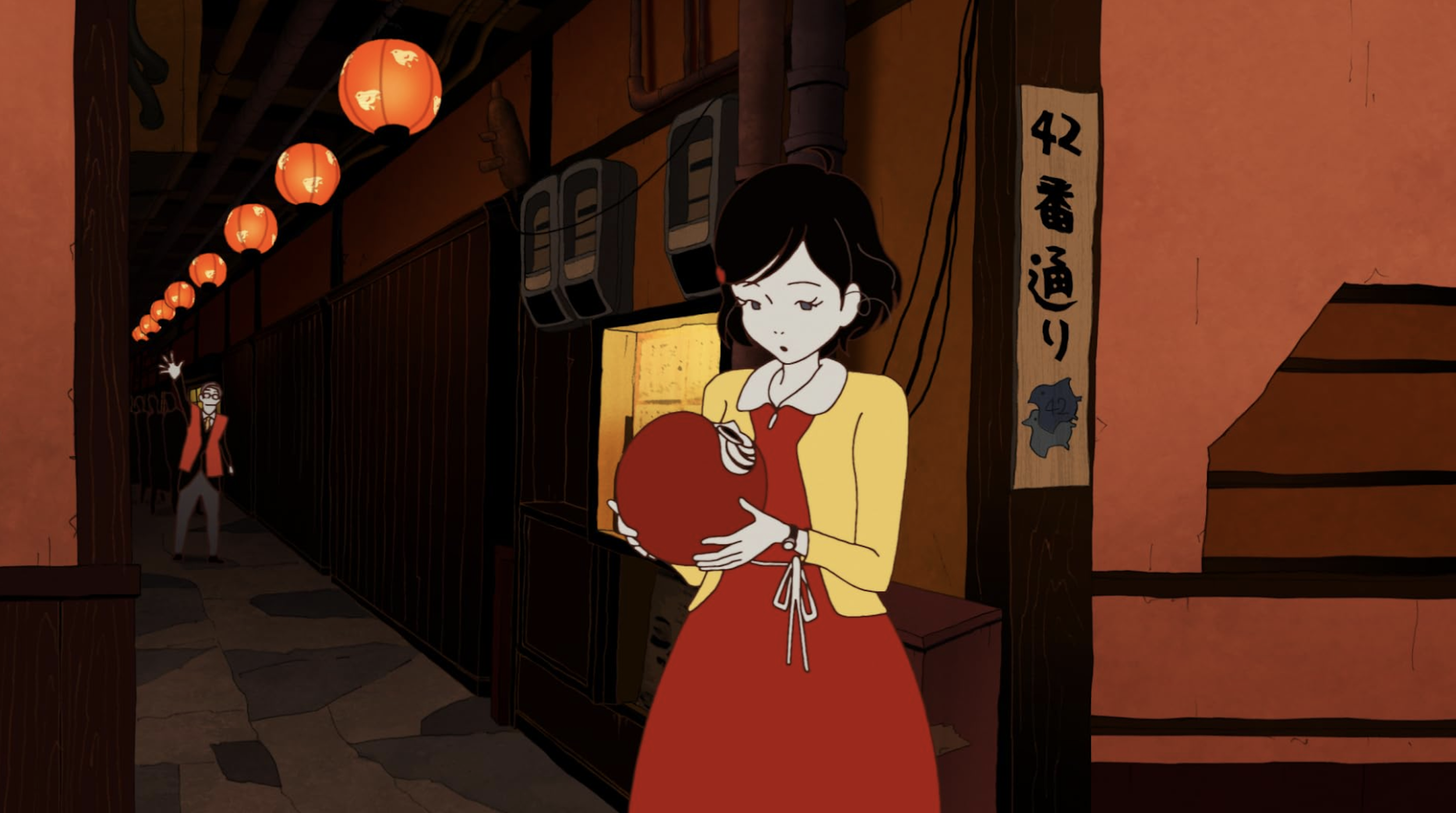
Fig. 1 - The Night is Short, Walk on Girl.
The beginning of the film, from the introduction to the end of the first act, contains examples of exactly this rejection of generalisation. In the first act, the female lead — referred to as “otome” or young lady — embarks on a quest to find a rare alcohol called “imitation Denki Bran” in her long bar crawl taking her from wedding parties to a gathering of self-proclaimed “sophists.” Her colourful path ultimately takes her to a lavish boat-styled train where she has a philosophical drinking competition with an old, rich debtor. Visual references here are plentiful, the first plot hook of imitation Denki Bran a deliberate reference to the real Denki Bran, a widespread Japanese liquor popular in clubs in Tokyo with a rich history going back to the Meiji era (“Denki Bran”). Additionally, throughout this first third of the movie Daruma dolls and Maneki Nekos — also known as “Lucky Cats” — can be found both nestled in the watercolour backgrounds and as active props that characters rely on as the story progresses. By having the plot visually centre on notable aspects of Japanese culture, and specifically Tokyo nightlife, the audience is immersed within a realistic setting even while surreal visuals, goofy characters, and humorous events occur. Moreover, with the film’s style so reliant on layering of interesting textures and vibrant colours, by repeatedly placing certain culturally relevant motifs in the background, an audience can easily understand the significance and meaning of such symbols even without any direct exposition or external historical knowledge of the film’s broader national context.
The Night is Short, Walk on Girl does not just use animation and visual storytelling to showcase culturally specific motifs, but the surreal style of animation also serves the narrative which incorporates a level of philosophical regionality to the film in its exploration of deeper themes. At its core, this film is about the meaningful ways people are never truly alone, and we are endlessly connected with others, even when living in our own worlds or consumed by our internal narratives of what the world looks like (see Zhang 2023, 136). Throughout the film, characters walk through representations of psychological worlds in elaborate dream sequences or speak in conjunction with visual metaphors of things like clocks, decorating the frame to represent their own philosophies on life. Yuasa’s use of color, lighting, and surreal metaphorical environments underscores an internal philosophy of the film heavily influenced by Zen Buddhism, a religious and spiritual philosophy with heavy impact throughout Japanese culture where the exploration of the mind and use of surreal metaphors in short sayings (known as “Koans”) mirrors Yuasa’s approach to framing scenes. Koans are even directly referenced by way of the main male lead reading through a book containing them. The ever-present visual motif of Daruma dolls also ties into this grander philosophical placement, the design and use of Daruma dolls being directly based on Bodhidharma, a notable Buddhist monk culturally significant to Japan as a symbol of perseverance.
Though the style of animation with exaggerated squash-and-stretch, absurd gestures and movements, and bright, flat colours might evoke a strong Western influence, the cultural identity of the film is never compromised. In fact, such elements are only elevated through the film’s visuals, and overall, by allowing the themes behind the movie to originate from a specific cultural perspective and interwoven into every aspect of the animation, the actual narrative messages within the film are elevated beyond just background context.
The Night is Short, Walk on Girl is a film with a meaningful narrative that transcends culture, not because it becomes broadly applicable, but because it invites audiences to find their own ways of connecting with a possibly unfamiliar culture. That kind of engagement is more than just marketable, it reinforces the idea that this film so eloquently and whimsically poses, that even in our seemingly isolated worlds or encountering the unknown, we may all be connected in ways beyond what we expect.
**Article published: November 20, 2026**
References
Anon. 2024. “Denki Bran.” Food in Japan (February 19, 2024): www.foodinjapan.org/kanto/tokyo-en/denki-bran/.
Crombie, Zoe. 2022. “Masaaki Yuasa’s World Is Everyone Else’s, Too.” Vulture (December 20, 2022), available at: www.vulture.com/article/masaaki-yuasa-inu-oh-influences.html.
Leong, Jane. 2011. “Reviewing the ‘Japaneseness’ of Japanese Animation.” Cinephile 7, no. 1: 20–25.
Zhang, Ying. 2023. “Discovering Surrealism in Animation: A Series of Case Studies.” CONFIA 10: 126–139.
Biography
Yiyi “Avery” Ding is a student at the University of Texas at Dallas, Harry W. Bass Jr. School of Arts, Humanities, and Technology studying Arts, Technology, and Emerging Communications as a generalist, as well as pursuing a minor in audio production. Earlier versions of this text were developed with the help of Dr. Christine Veras and peers from the Animation Studies course.