
Overwatch - Season 3 Guide: How to Climb Ranked with Better Team Comps
Overwatch - Season 3: Into the Tiger’s Den (2026) - Trailer
Overwatch's Season 3: Into the Tiger's Den changed more than just individual hero strength. The team composition strategy shifted too, especially with the new Neon Junction map in rotation. Players who understand comp-building now have a real edge in ranked queues. Hero picks matter less than how well they work together as a unit. Building the right comp takes time, which most players do not have between work and other games. Many turn to Overwatch boosting to skip the slower parts of the climb. Others prefer mastering comp-building themselves through practice and match review. Both paths benefit from understanding what makes a comp actually work.
Poke, Dive, and Brawl: What Is Actually Working in Season 3
Overwatch’s team strategies still split into three core styles this season.
Poke comps focus on steady damage from safe distances, using shielded tanks for cover.
Dive comps rely on mobility to isolate backline supports before the enemy team can react.
Brawl comps push forward as a tight group, trading space for raw close-range pressure.
Season 3 of Overwatch (Fig. 1) is obviously leaning towards one of these styles as compared to the other two at the moment. Poke tanks, such as Sigma, are still steady powerhouses in most competitive ranks. Dive and brawl tanks struggle more this patch, partly due to Mizuki's current strength on the support side. Her kit penalizes overextended pushes, and both aggressive styles are more dangerous than they were last season.
With that said, two brawl-oriented picks received real buffs this patch cycle. Firestrike by Reinhardt now strikes harder and faster. Thus, squishy 250 HP heroes are punished. Zarya also got a buff to her energy depletion rate, maintaining her bubble uptime high. Both modifications provide brawl comps with a fighting chance, even though Mizuki is superior on the other side. The decision of style remains a matter of team coordination rather than brute strength. Poke is a patient, goal-oriented fighter. Brawl is effective when a team is fully committed to pushing behind Reinhardt or Zarya. Dive is the most dangerous choice this season, as it is so difficult to break through the disruption of Mizuki.
Reading the Enemy Comp Before You Lock In
Committing to a hero before seeing the enemy team often backfires in ranked. Waiting a few seconds to scout the opposing picks pays off more than people expect. A shield-heavy enemy comp calls for burst damage or armor-piercing options instead of poke. A dive-heavy enemy comp rewards heroes with strong self-peel and escape tools.
Neon Junction introduces a new dimension to this decision-making process. Its overpass area is more conducive to long-range heroes in defense, whereas narrow alleyways are more conducive to closer engagements. Choosing a hero that suits your comp and the map you are on is equally important as the level of raw power.

Fig. 1 - Overwatch - Season 3: Into the Tiger’s Den.
Common Mistakes That Stall Rank Progress
A lot of players stagnate in ranked due to factors that have nothing to do with mechanical ability. Changing heroes too frequently during a match disorients the ultimate economy and team synergy. The same thing happens when one makes a bad choice due to stubbornness. Both extremes are more damaging to team performance than most players would think.
Ignoring cooldown timing on high-value abilities is another frequent issue. Ultimates and key cooldowns must not fire on cooldown. However, must coincide with a planned push. An early wasted Zarya bubble provides the enemy with a free engage window in the future. In Season 3, communication regarding cooldown status is more important, and the fights are generally faster. Positioning around chokepoints on Neon Junction also trips up players unfamiliar with the map. The mech close to one capture point obstructs sightlines in a manner that is unexpected by new visitors. Playing Quick Play before ranked queues allows players to learn these details in a safe environment.
Building a Flexible Hero Pool
A robust hero pool encompasses various comp styles in each role that a player queues. Most matchups are covered by learning one poke-friendly and one dive-friendly hero per role. This is more important in Season 3, as balance patches change values every time. A hero who is on top this week may fall a few ranks the following patch.
Stadium mode is a low-pressure practice that can be used to test new heroes. Its hero upgrade trees reveal strengths and weaknesses that the standard queue does not always show. Several heroes were reworked into Stadiums this season. Thus, even long-time players should revisit them. New builds here have no rank risk like a ranked queue.
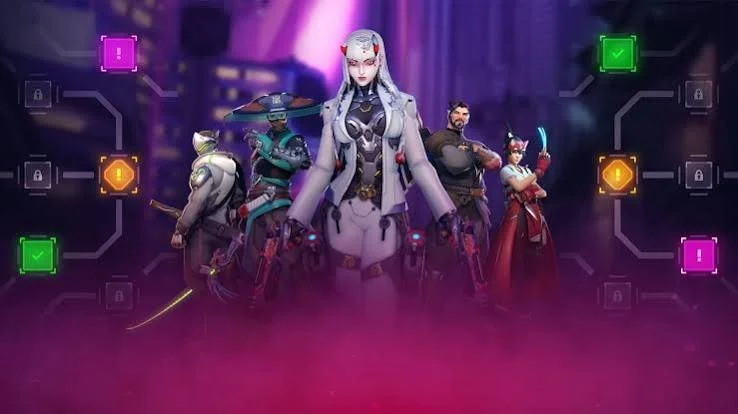
Fig.2 - Overwatch’s Anima Strike event.
Using Events to Practice Off-Meta Picks
The Anima Strike event running through Season 3 (Fig. 2) offers another low-stakes practice option. A recent adjustment lowered daily challenge requirements from 3/7/12 matches down to 3/6/10. Weekly totals dropped too — from 25/30/50 matches to a more manageable 20/30/45. These changes make the event easier to finish without excessive extra grinding. Players can test comp ideas and off-meta heroes while working toward event rewards. This approach reduces the risk of a tanking rank while still learning new strategies.
Quality-of-Life Changes That Matter
Season 3 also quietly reworked a few core systems most players interact with daily. Players can now showcase three preferred heroes per role during map votes and hero bans. Teammates see these picks before matches start, making early strategy talk far easier. This small change removes a lot of guesswork during those first chaotic seconds of a lobby.
Map voting also got smarter this patch. Maps played within the last five matches now show up less often in vote options. Players who prefer shorter sessions should notice more map variety without extra effort. The practice range gained combat text too, helping newer players read damage numbers while drilling combos.
Post-match Accolades saw a quiet rebalance as well. Overused cards, like Echo’s sticky bomb highlight, now appear less frequently. Other accolades got a boost instead, spreading recognition across more playstyles. None of these changes reshape the meta. However, together they smooth out daily friction that builds up over hundreds of matches.
Final Thoughts
Climbing in Overwatch - Season 3 takes more than picking whatever sits at the top of a tier list. Understanding poke versus dive, reading enemy comps, and avoiding common mistakes all matter. Neon Junction and the current balance patch reward players who adapt their strategy. Build a flexible hero pool, practice off-meta picks safely, and rank progress follows.
**Article published: July 31, 2026**