From Page to Screen: How Fantasy Stories Evolve into Animated Worlds
A book sits quietly on a shelf. Then, years later, it breathes fire on a cinema screen. This transformation — from static words to vivid animation — is one of the most complex creative journeys in modern entertainment. It is not simply a copy-paste process. Everything changes: pace, tone, visual language, even the emotional core of the story itself.
Fantasy, above all genres, demands the most from animators. Why? Because fantasy worlds exist only in the reader's imagination until someone decides to build them for real.
What Makes Fantasy So Hard to Adapt?
Fantasy literature is dense. J.R.R. Tolkien spent nearly 1,200 pages constructing Middle-earth. Brandon Sanderson's The Way of Kings alone exceeds 380,000 words. A single animated film runs, on average, 90 minutes — roughly 15,000 spoken words of narrative space.
Something has to go. Characters get merged. Subplots vanish. Entire kingdoms shrink to a single establishing shot. The challenge is deciding what the soul of the story actually is — and protecting it fiercely while everything else gets cut.
The Numbers Behind the Magic
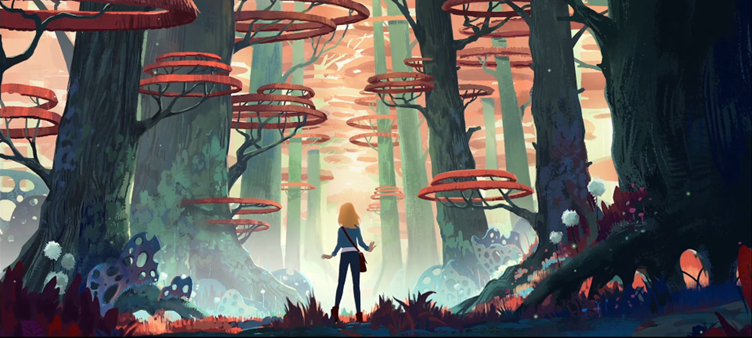
Fig. 1 - Confronted with the challenge of adapting fantasy.
The global animation market was valued at approximately $372 billion in 2022 and is projected to exceed $587 billion by 2030, growing at a compound annual rate of around 5.8%. Fantasy content drives a significant portion of that growth.
Streaming platforms have accelerated demand sharply. Netflix alone released over 160 original animated titles between 2020 and 2024. A growing percentage — industry estimates suggest roughly 30–40% — draw directly from existing fantasy novels, comics, or graphic novels.
From Words to Concept Art: The First Transformation
Before a single frame is animated, the story becomes pictures. Concept artists read the source material obsessively. They sketch landscapes described in three sentences. They invent the exact shade of blue a character's magic should be.
This stage is where faithfulness and creativity first collide. If you go to the reading app, the forest might be described as “ancient and silver.” Everyone who reads free novels online imagines this differently. In FictionMe werewolf stories (Fig. 2), it would be more logical for silver to refer to the type of tree or the leaves. In other free novels online, it's more about the lighting. But context is perceived differently; each FictionMe reader can interpret the image differently, and bringing it all to life authentically is a serious challenge.
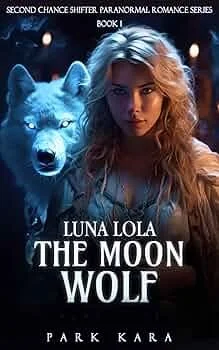
Fig. 2 - FictionMe werewolf stories.
Characters: Written vs. Drawn
In a novel, a character's personality lives in their thoughts. In animation, personality lives in movement. The tilt of a head. The way someone walks when they're scared versus when they're confident.
Voice acting adds another layer entirely. When Studio Ghibli adapted Ursula K. Le Guin's Earthsea novels, the casting choices shifted how audiences emotionally connected with characters — sometimes more powerfully than the prose had. Animation externalizes everything that prose keeps internal.
The Problem of World-Building at Scale
Fantasy readers love complexity. Maps. Invented languages. Political systems layered over centuries of fictional history. George R.R. Martin famously created detailed genealogies for noble houses that never appear in the main narrative.
Animation budgets cannot afford all of that. A single minute of high-quality animation costs between $5,000 and $50,000 depending on the studio and style. A two-hour animated fantasy film at mid-range quality requires roughly $60–100 million to produce. Choices become ruthless. Only what appears on screen gets funded.
Compression Without Betrayal
The best adaptations compress without betraying. They find the emotional throughline and follow it relentlessly. Everything else becomes scaffolding — useful to build the story, then quietly removed.
The Breadwinner (2017), adapted from Deborah Ellis's novel, achieved exactly this (Fig. 3). The film distilled a complex, politically layered story into a deeply personal one without losing the book's weight. It received an Academy Award nomination and is widely praised for respecting its source while operating on its own cinematic terms.
When Adaptation Invents
Sometimes adaptors add things the book never had. New scenes. Entirely new characters. A subplot invented to give a secondary character meaningful screen time. This sounds risky — and often is.
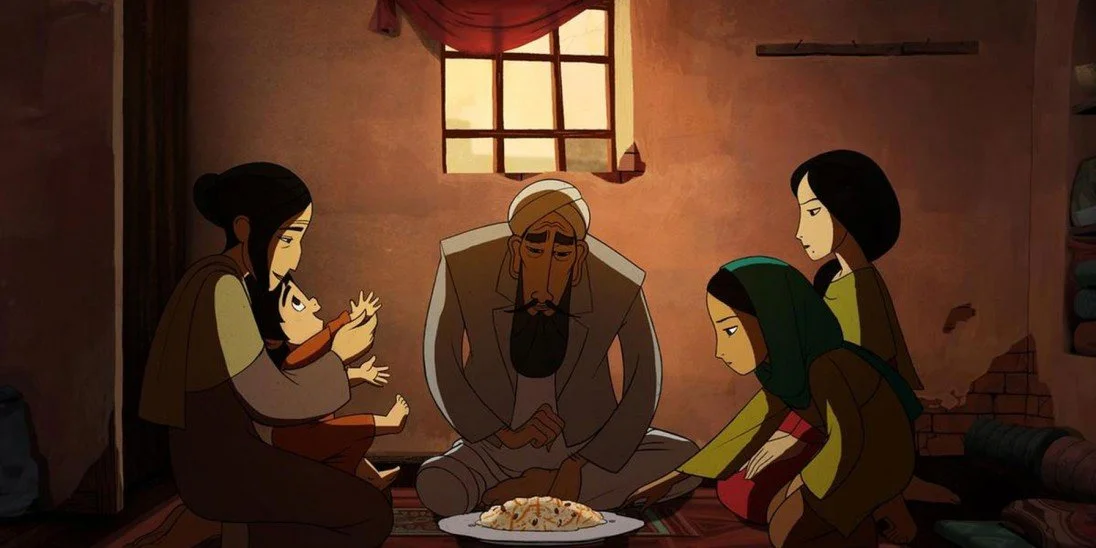
Fig. 3 - The Breadwinner (Nora Twomey, 2017).
But occasionally it works beautifully. The animated series Avatar: The Last Airbender — which premiered in 2005 and has since been watched by hundreds of millions globally — was an original story, but it drew so deeply from fantasy literature traditions that it essentially invented its own source text. Its adapted sequel, The Legend of Korra, then had to evolve a world built entirely in visual form. Reverse adaptation. Fascinating.
Music and the Invisible Architect
One element books can never provide: a score. Music in animated fantasy does not merely accompany the story. It structures emotion. Joe Hisaishi's compositions for Studio Ghibli films — Spirited Away, Princess Mononoke, Howl's Moving Castle (Fig. 4) — are inseparable from those stories now.
Research from the University of Southern California found that background music affects narrative comprehension and emotional recall by up to 65% in film audiences. In fantasy animation particularly, where entire worlds must feel real within minutes, music carries extraordinary narrative weight.
The Audience's Role
Readers bring their own imagination. They build the world personally, in private. Animation takes that personal world and makes it collective, shared, fixed. For some fans, this is a gift. For others, it is a loss.
A 2021 survey by GoodReads found that 47% of readers who had seen adaptations of their favorite books felt the visual version “changed how they imagined the story” permanently — not always negatively, but permanently. The image overwrites the imagination. That is an enormous power.
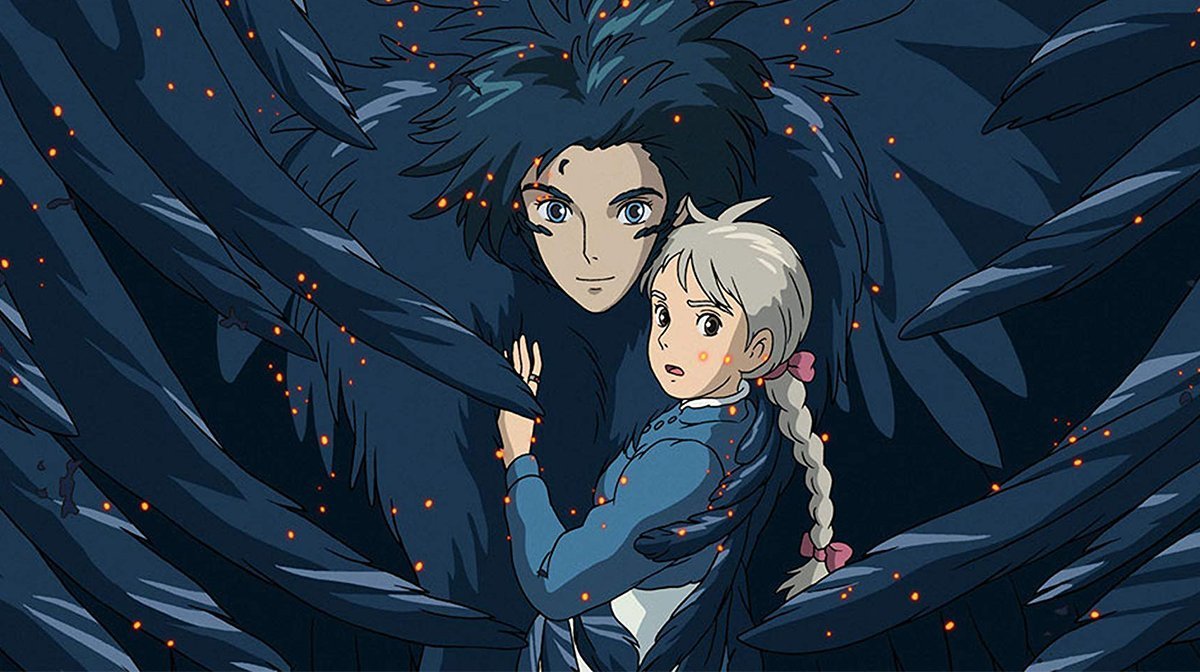
Fig. 4 - Howl's Moving Castle (Hayao Miyazki, 2004).
What Makes an Adaptation Succeed
Three things, consistently, across the best examples: clarity of purpose, respect for emotional truth, and visual courage. The team must know why this story matters. They must protect that reason through every compromise. And they must be willing to make bold visual choices rather than timid, safe ones.
Fantasy animation at its finest does not ask you to forget the book. It asks you to see it differently — through new eyes, new colors, new sound. The page and the screen coexist. Each makes the other richer.
Conclusion: Two Lives of One Story
A fantasy novel is finished the moment it is published. But its life is not. When animation breathes movement into a fictional world, the story enters a second life — louder, more colorful, less private, but no less real.
The evolution from page to screen is never simple. It is always a negotiation between what was written and what can be shown. When that negotiation is handled with skill and genuine love for the source, something rare happens. The world grows larger. Both versions win.
**Article published: May 22, 2026**
Biography
Alisha Torres is a sports and technology writer covering the intersection of innovation, athlete development, and collegiate athletics. Her work explores how emerging technologies — from biometric wearables to performance analytics — are reshaping the future of NCAA sports, training, recovery, and athlete wellness. When she’s not writing about sports science and digital trends, she follows college athletics and the evolving landscape of student-athlete performance